
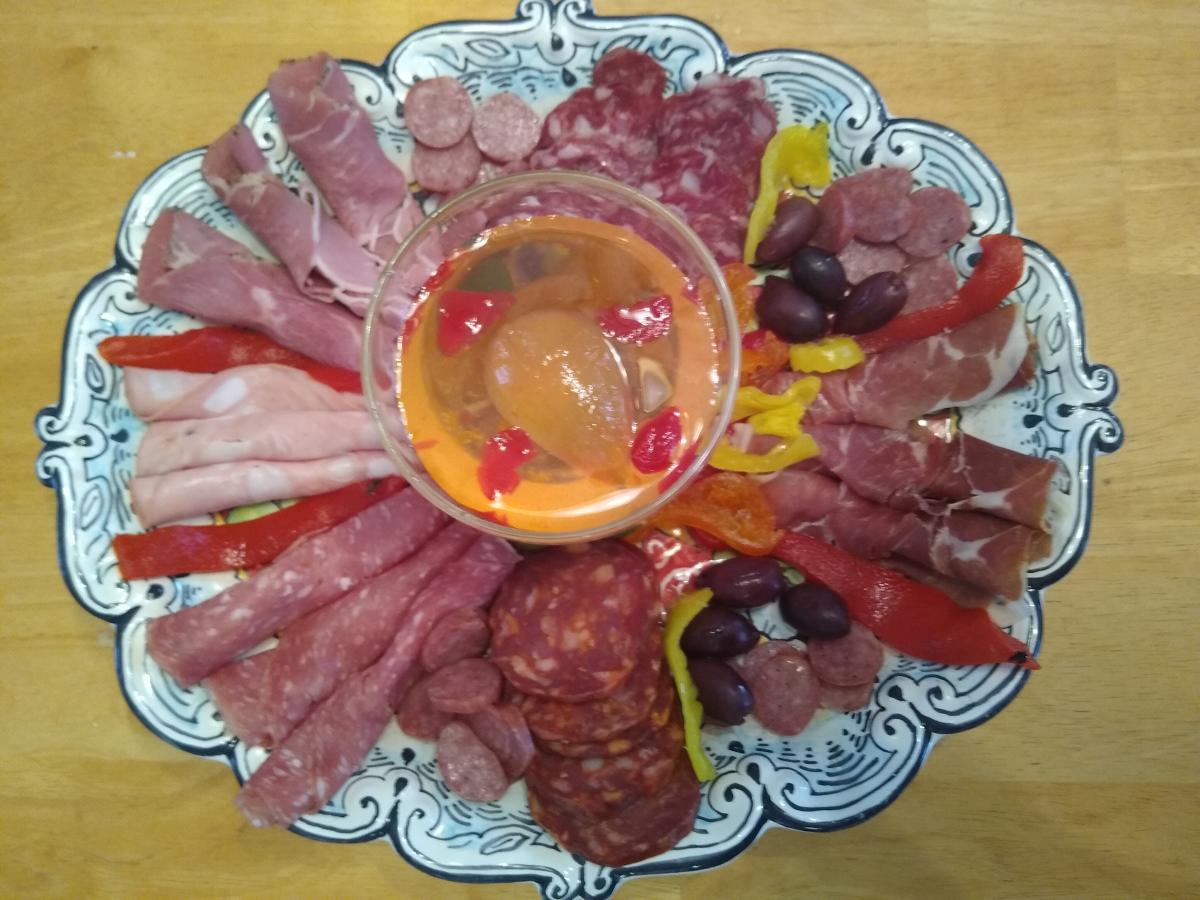
I described in Italy All-Star Feast: The South how a blog about New England food and drink came to focus temporarily on Italian traditional cuisine, wrapping it up with a trio of all-star feasts exploring the 20 provinces of that ancient foodie culture. This was a tricky one, as I had to squeeze in eight provinces, each with long and distinct culinary traditions!
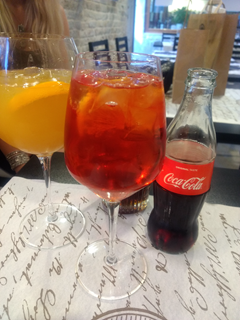
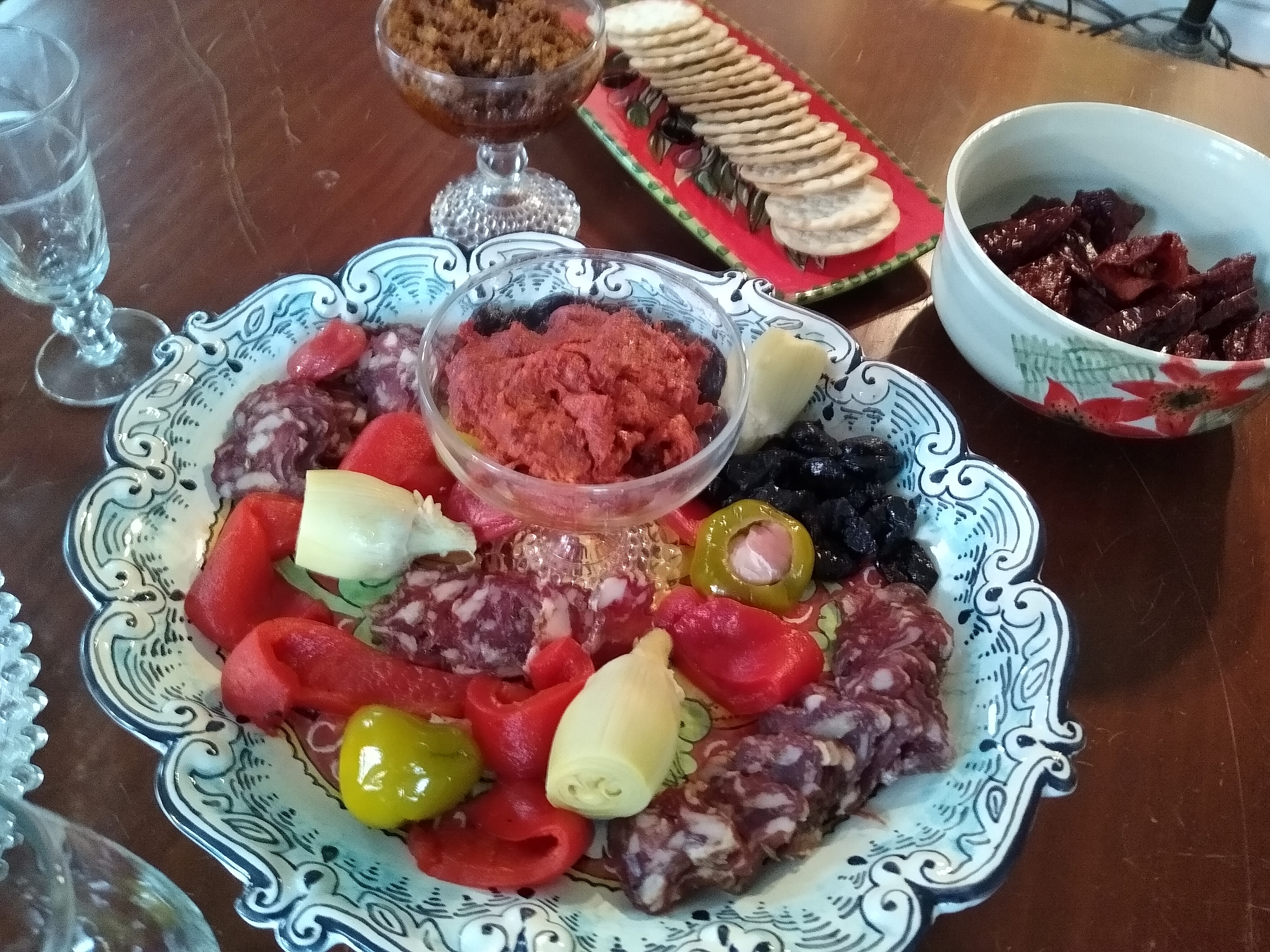
For the Northern Italy feast, I included the big provinces of Piedmont, Lombardy, Veneto, and Emilia-Romagna, plus the smaller Alpine border provinces of Val d'Aosta (on the French/Swiss border), Trentino-Alto Adige (Austria), Friuli -Venezia-Giulia (Slovenia), and little coastal Liguria, home of Genoa. Our companions were our old friends David and Diane Peck. Here's how we did it:
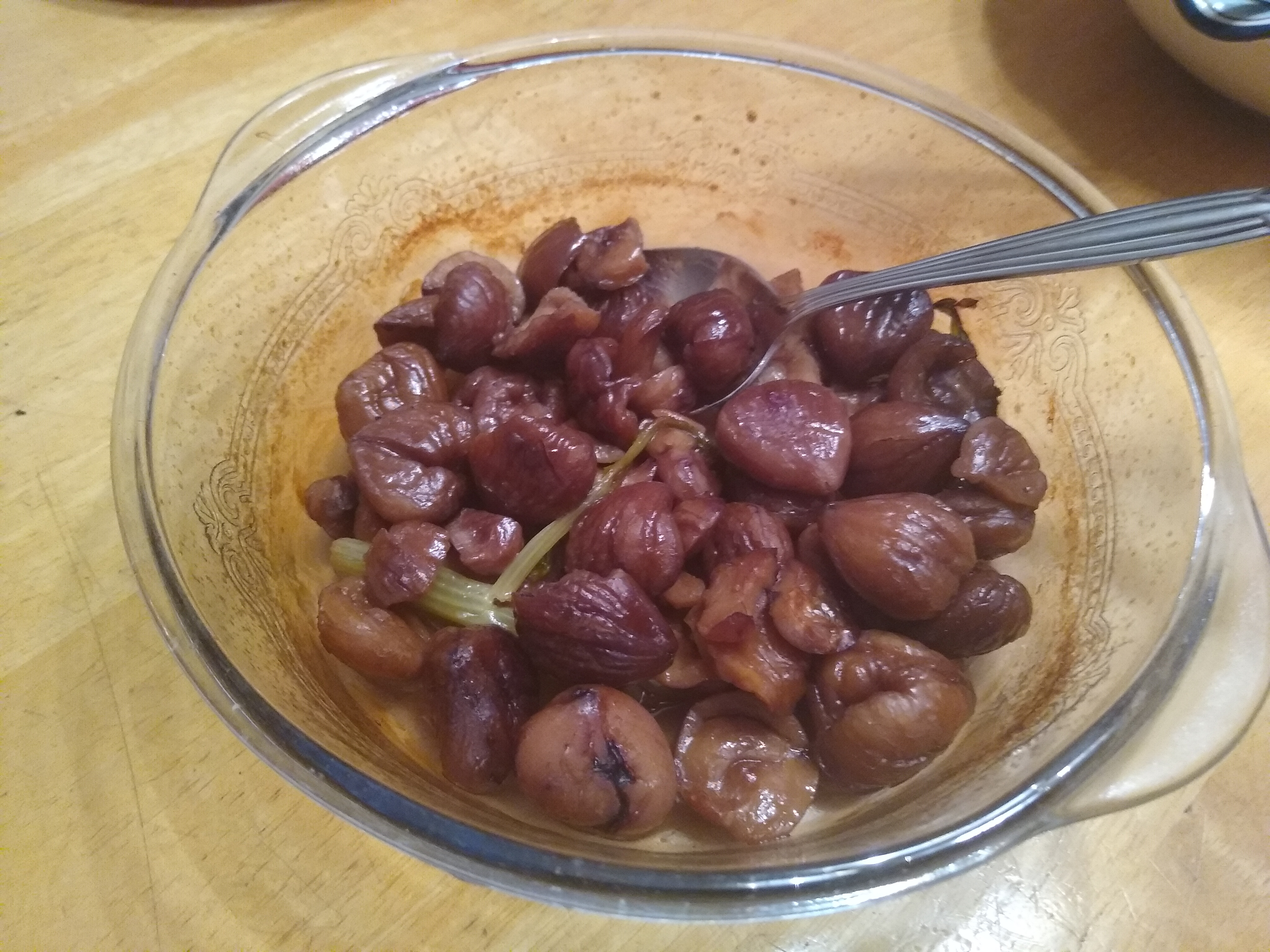 This is a delicious cool-weather dish to accompany a rich meat dish, or just on its own. It's a classic accompaniment to roast goose, and it's fine with roast turkey, too, especially for a holiday table!
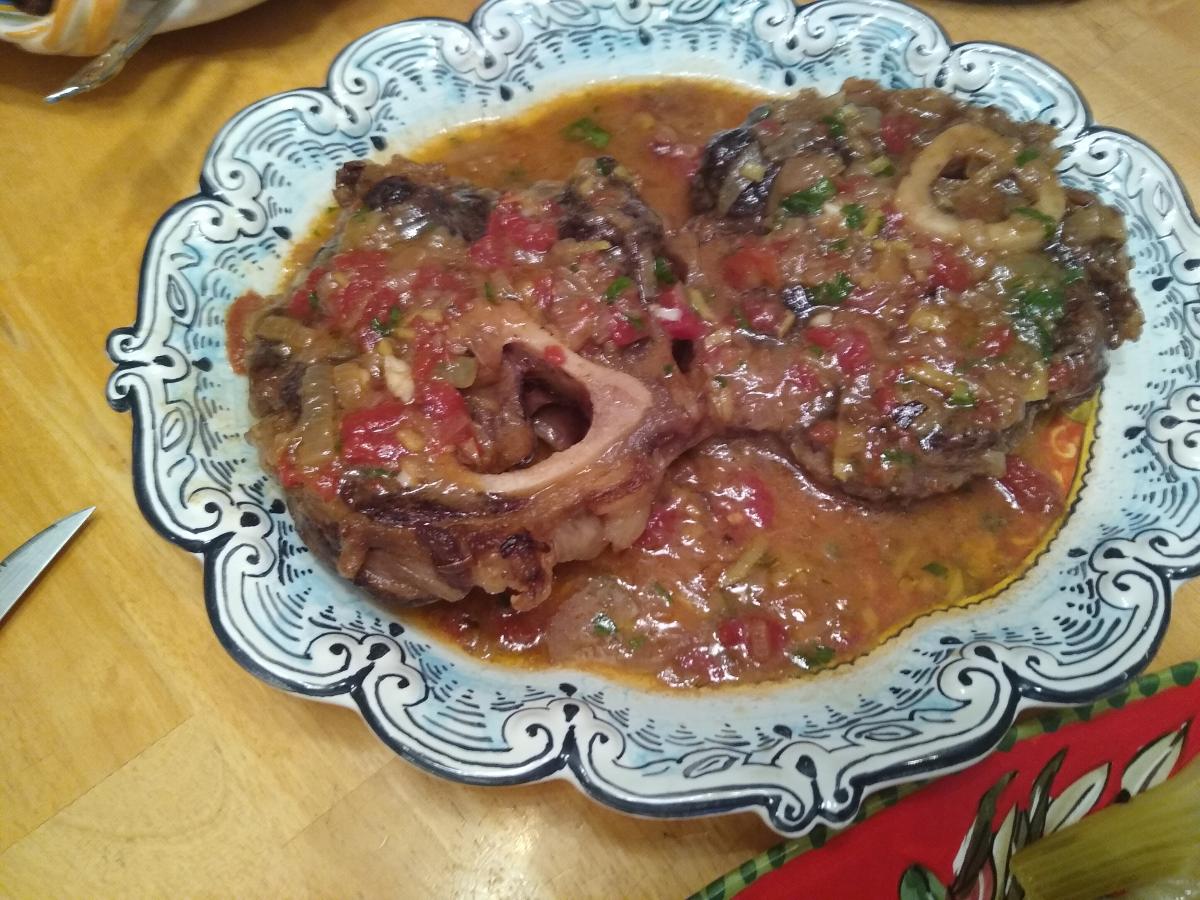 This Lombard classic is beef or veal shank slow-cooked until meltingly tender, and then served with a savory sauce and a contrasting zippy lemon gremolata. It is traditionally served with the beautiful golden
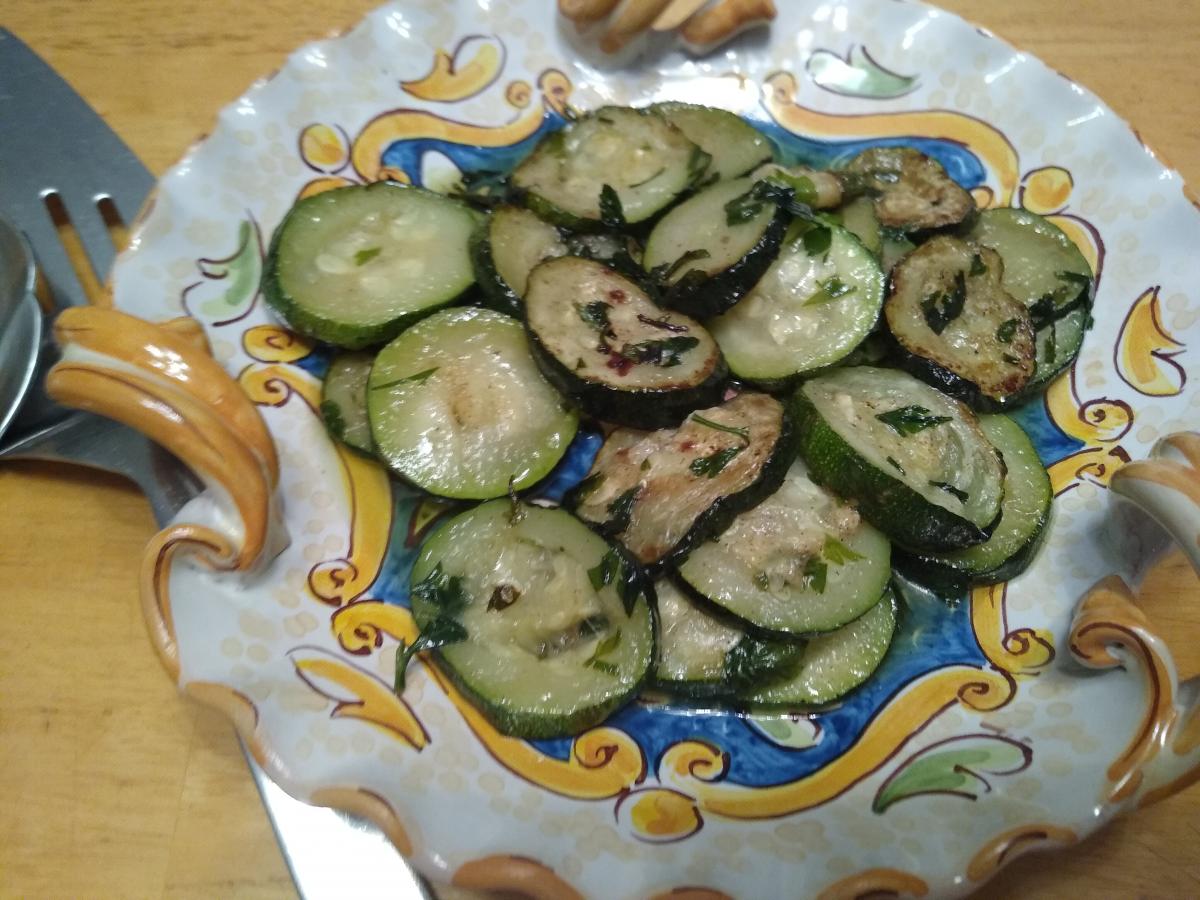 Trifolata is Italian for "sauteed", so this is simple zucchini disks sauteed in olive oil with chopped fresh parsley and a crushed garlic clove. It is easy to prepare and it goes with pretty much everything, especially beef, pork, and poultry dishes.
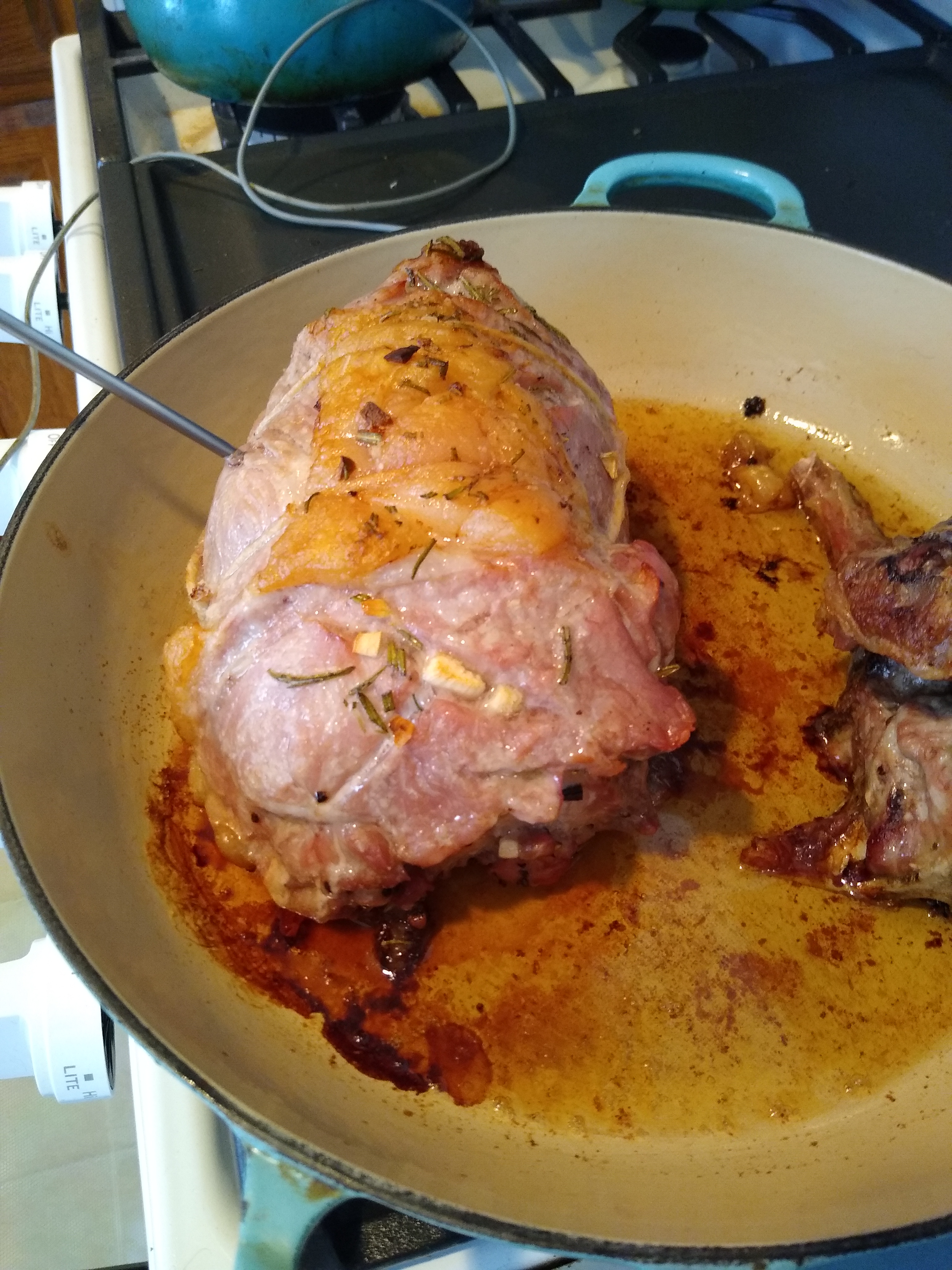 This is a classic Florentine pork roast of Tuscany, Arista alla Fiorentina. Like much Tuscan food, it has few ingredients so they must be of top quality.
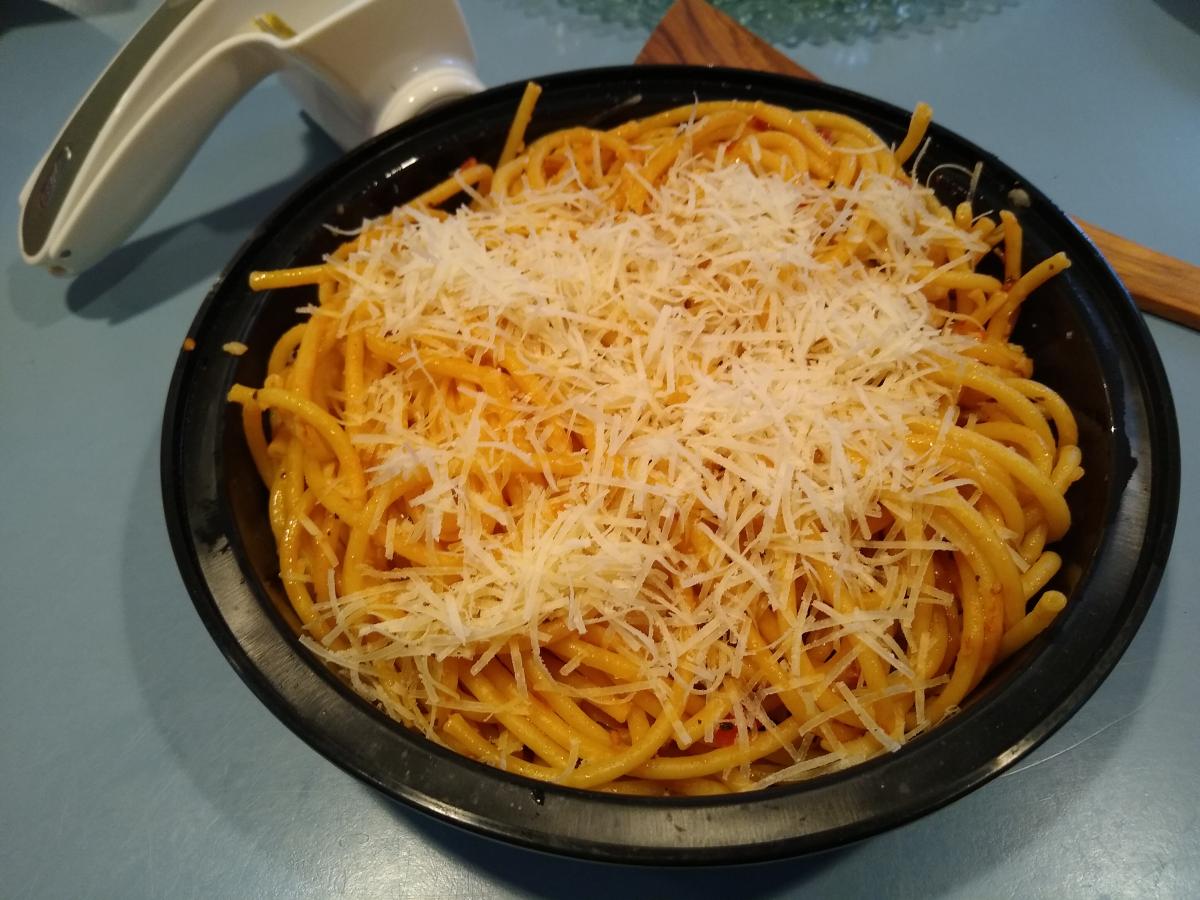 This is a simple vegetarian dish. According to the Accademia Italiana della Cucina, it's "typical of Caserta", a humdrum little town northeast of Naples with an immense and fabulous palace and gardens. I don't know why this simple dish has such specific roots, but there you have it. It's delicious in any event.
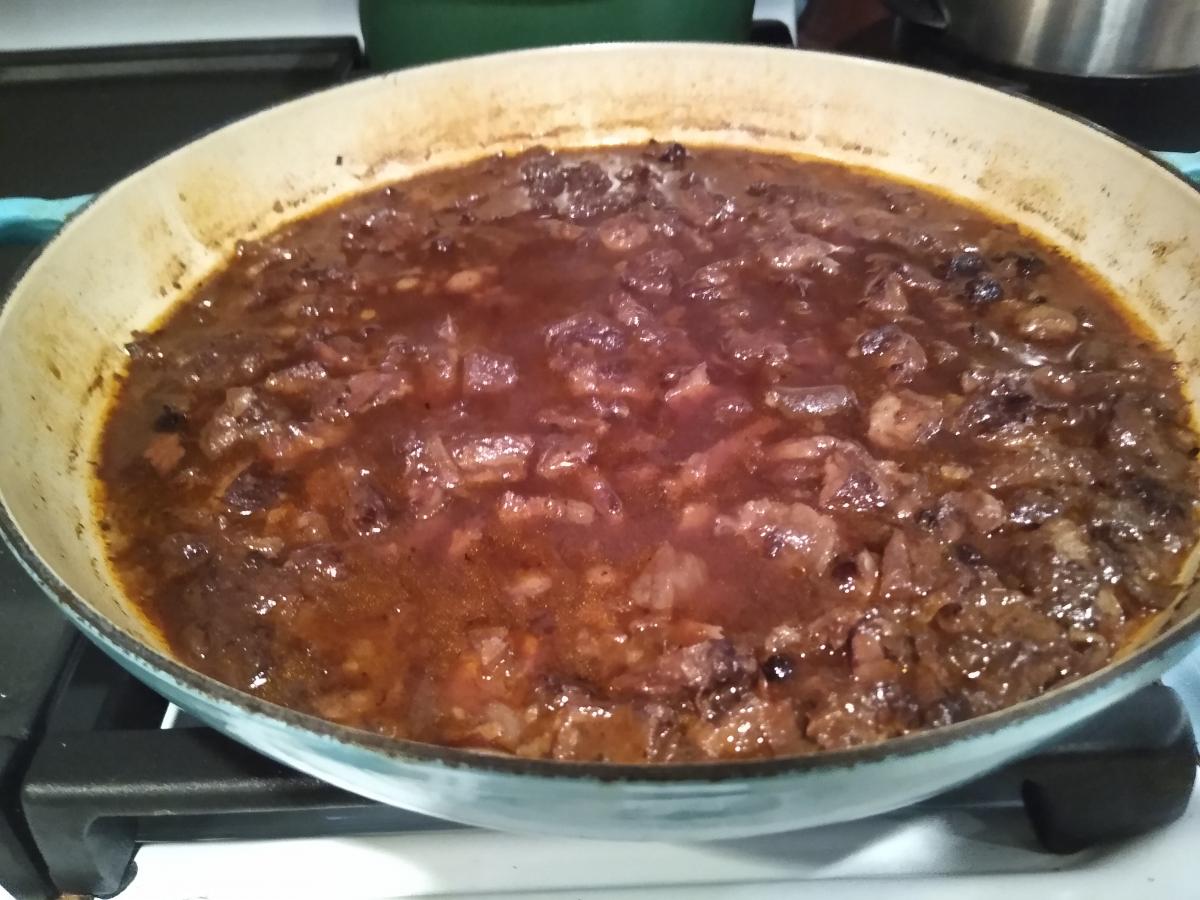
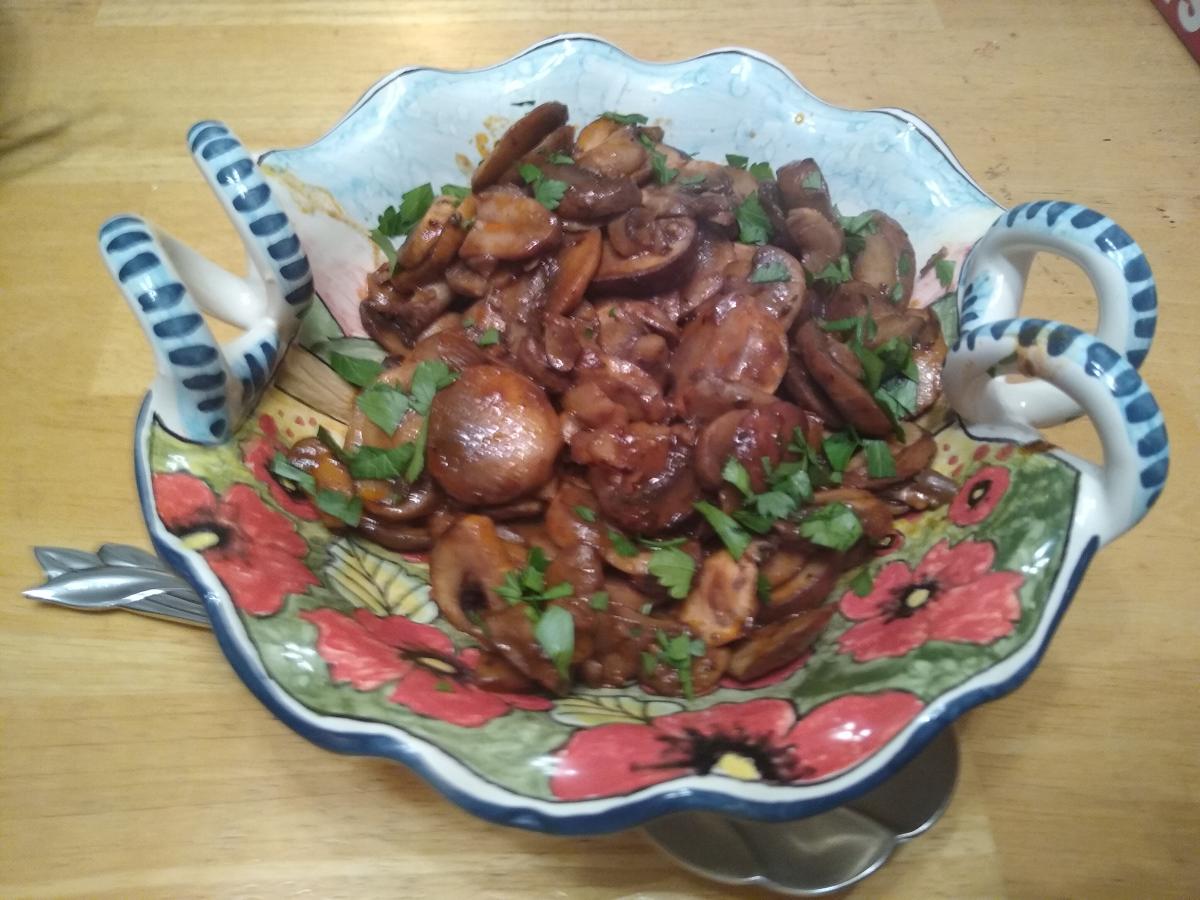 Here is an interesting recipe, the name of which means "mushrooms cooked like tripe". There's no tripe in here, it's a vegetarian dish; the name comes from the inclusion of some tomato and oregano.
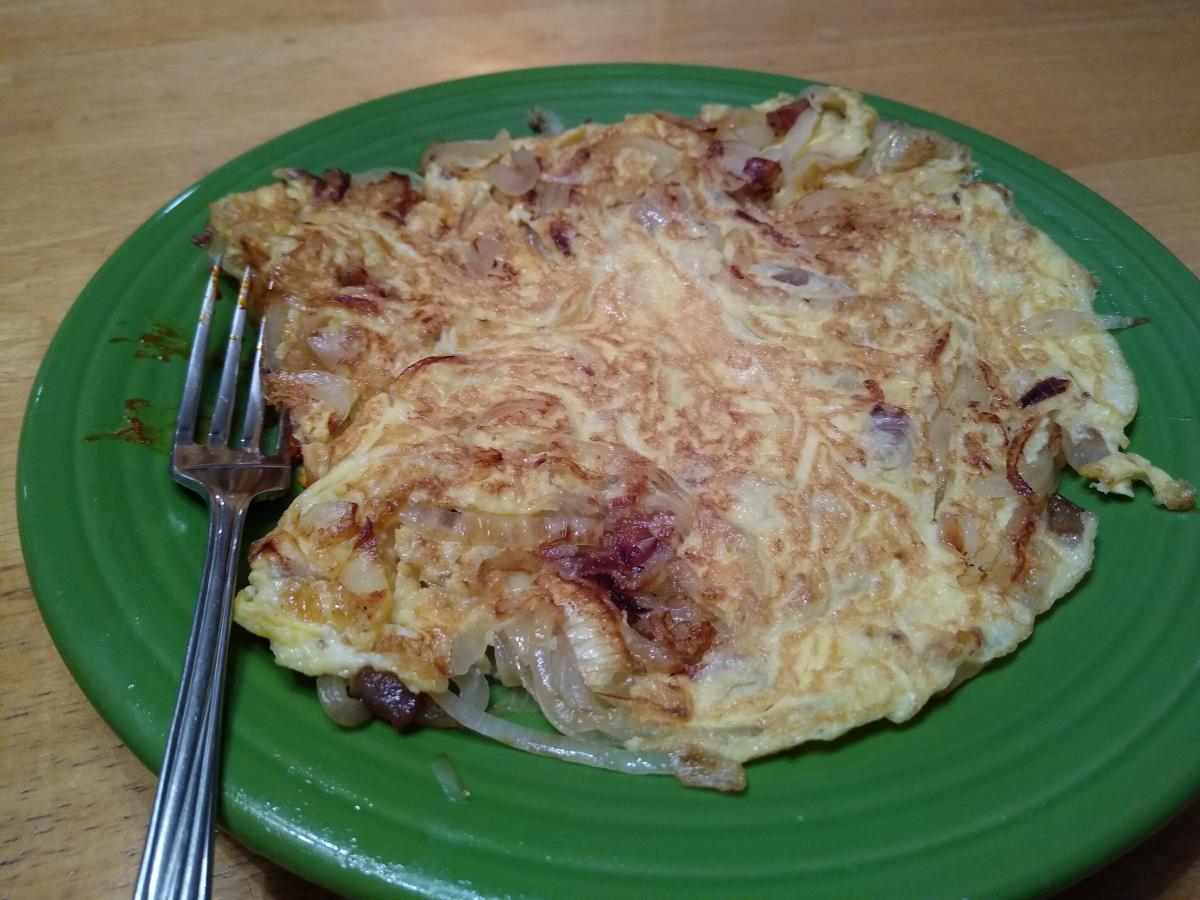 This frittata is typical of Lombard tastes, although it could certainly be made anywhere in Italy.