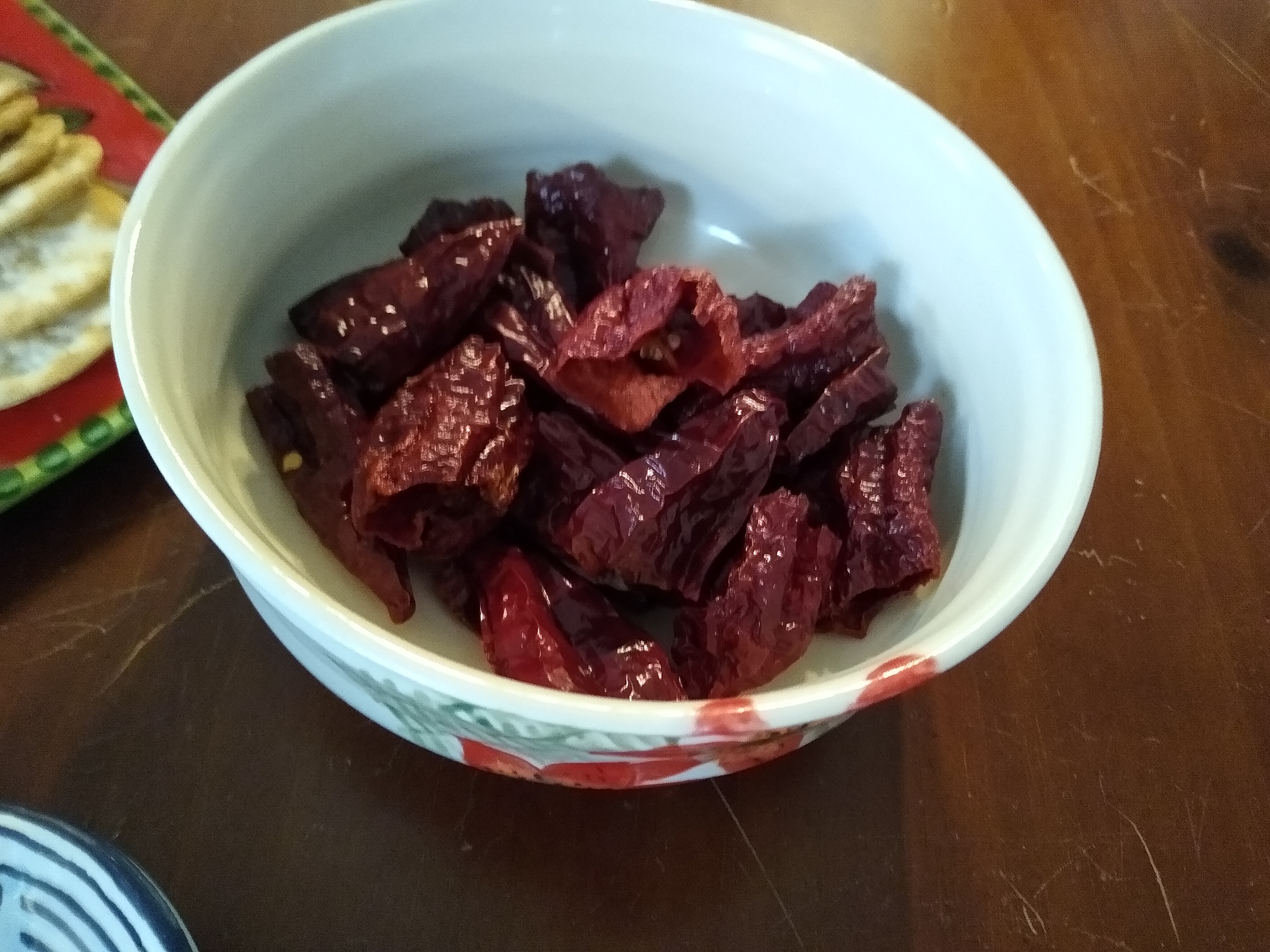
 On September 5, '21, we celebrated the cuisine of central Italy with our friends and summertime neighbors Lance and Lynda Hylander. For this project, one of three recorded on this blog, I defined "Central Italy" as the six regions north of Campania/Apulia and south of Emilia-Romagna and the Po River valley, to wit: Tuscany, Umbria, Marche, Abbruzzo, Molise, and Lazio (Lazio is where Rome is).
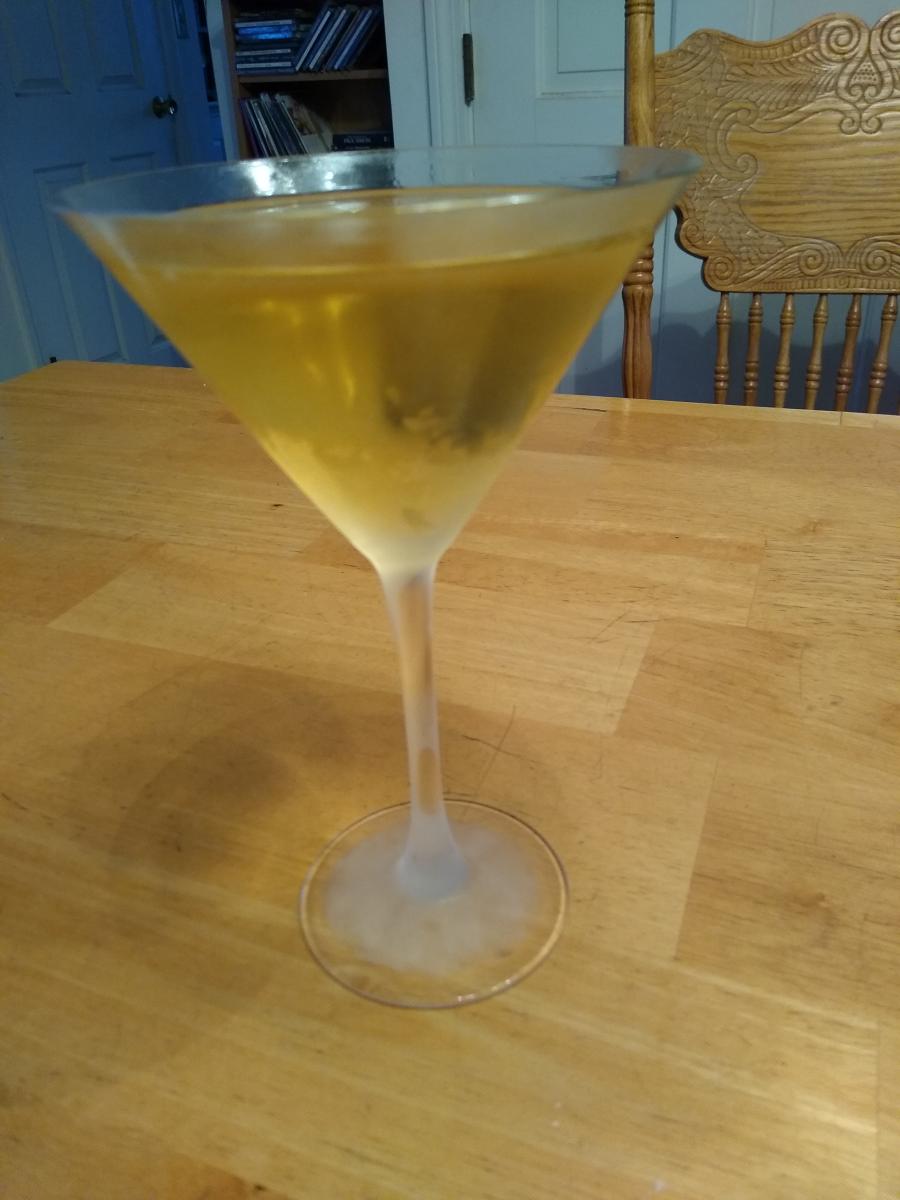
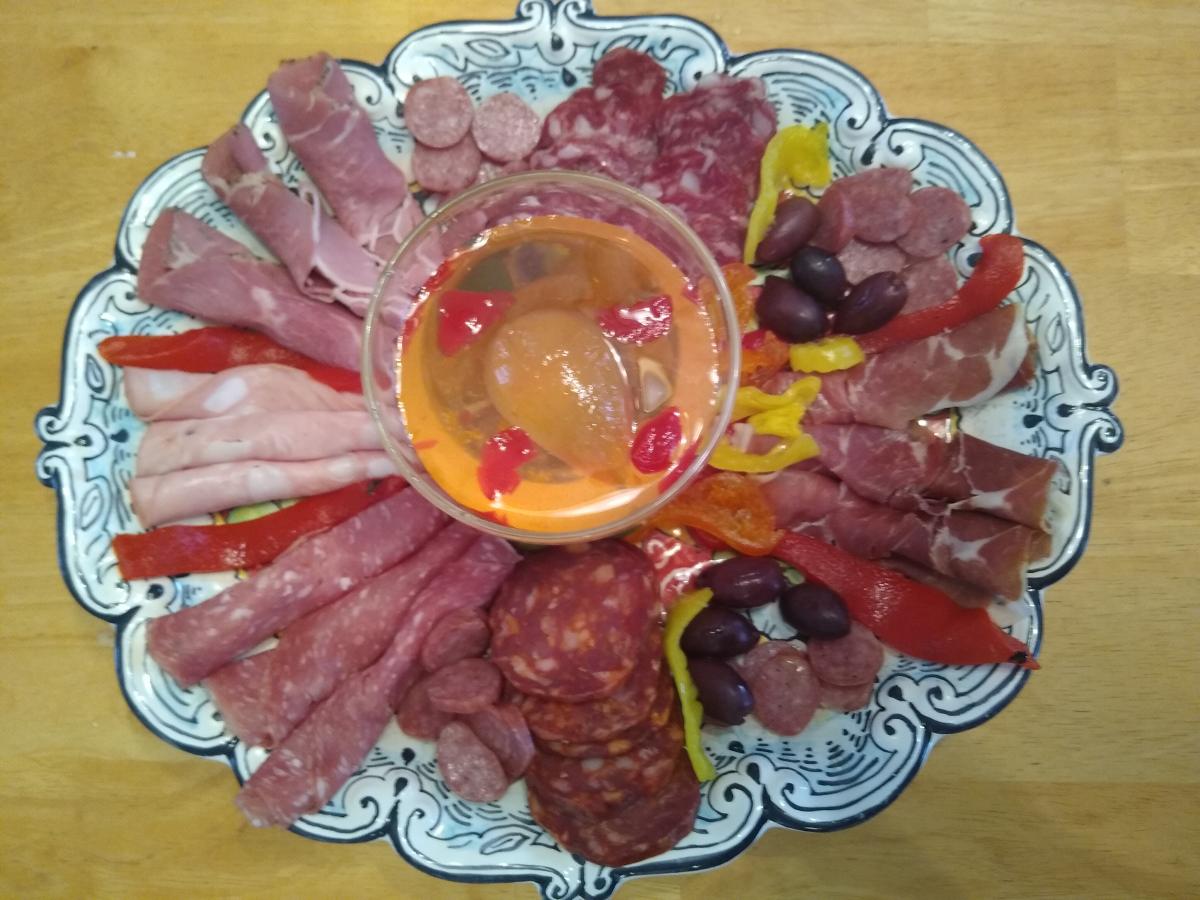
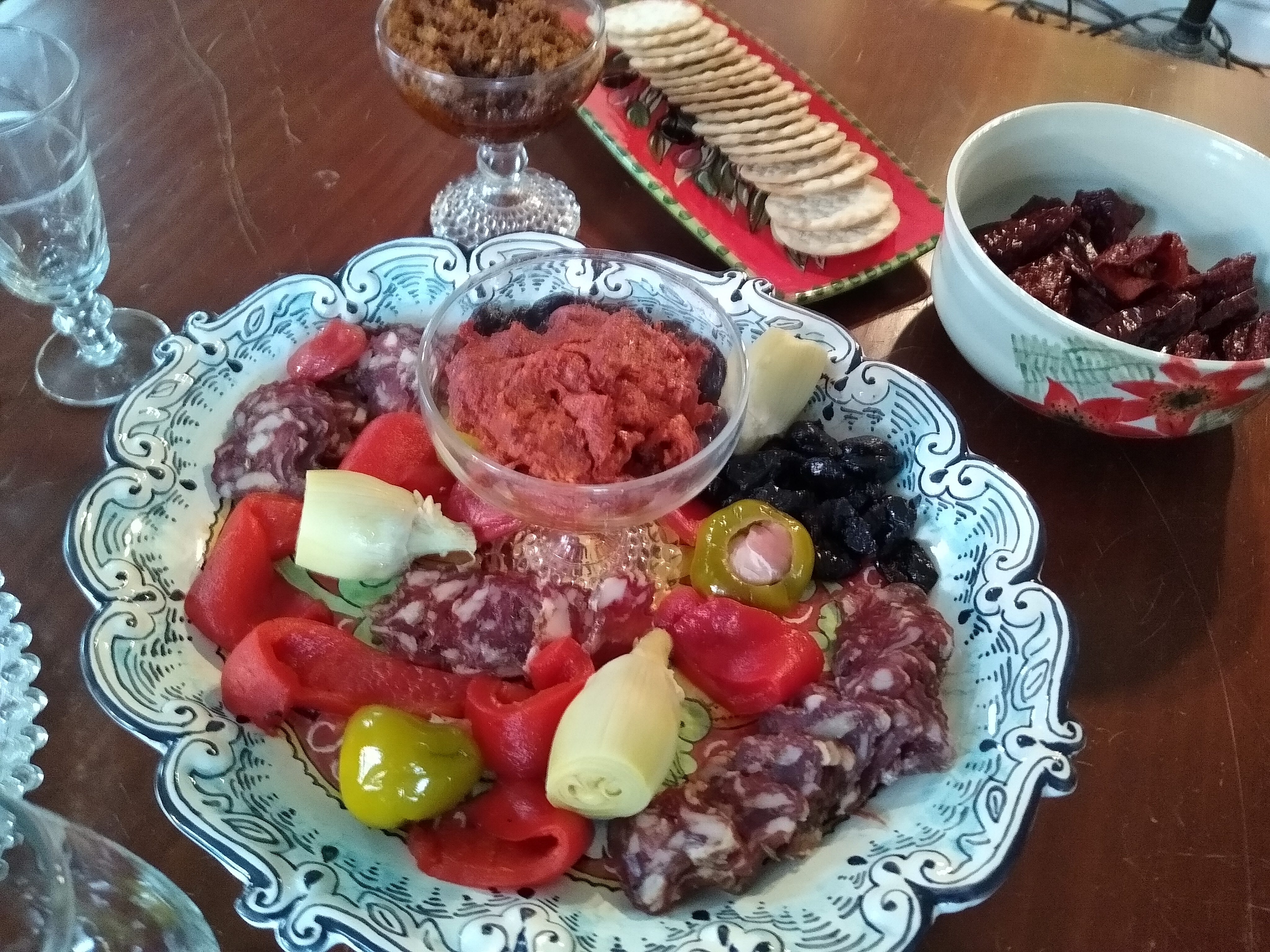
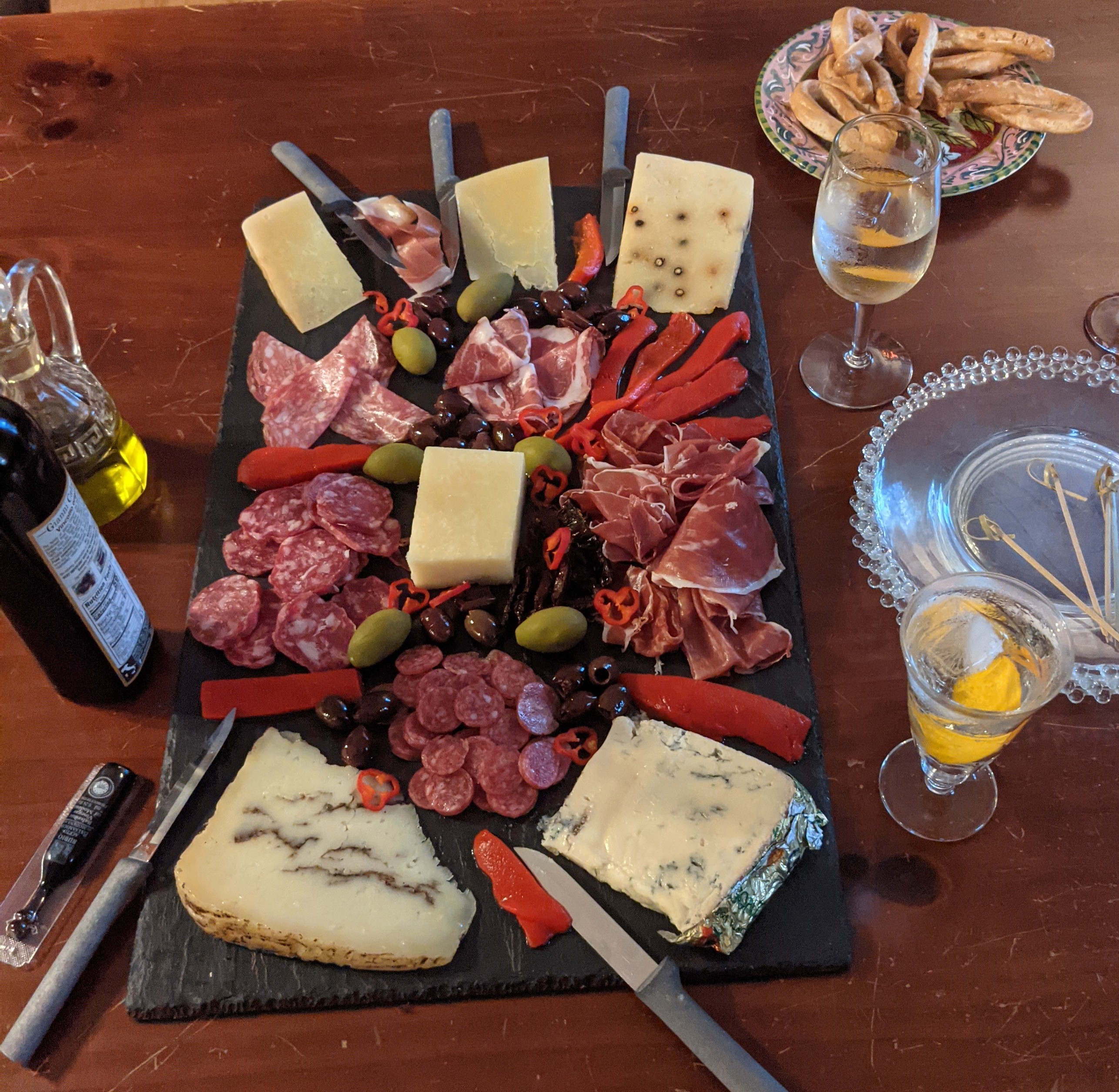
As usual for these dinners, we started out with Vermouth in cordial glasses and an Antipasto course of a fine salumi platter that represented all of the regions featured in the dinner.
The Insalata course was a hearty Insalata di Lenticchie, or lentil salad, with delicious tender lentils from Umbria, an area known for its lentils. This also showed that not all Italian cuisine demands tomatoes! With the salad we opened a couple of local white wines, a Trebbiano d’Abbruzzo (from Abruzzo) and a nice Frascati (from Lazio).
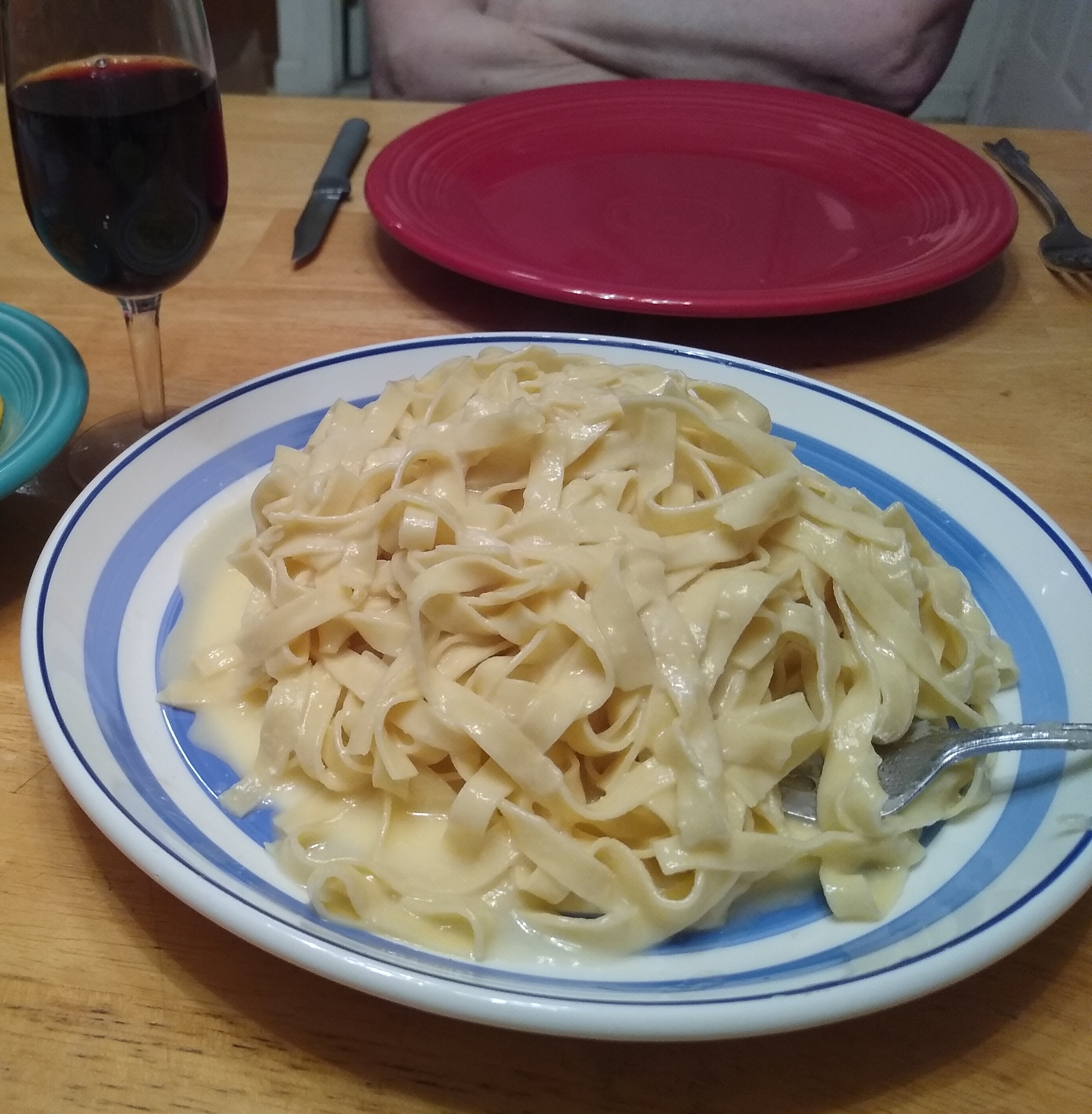 The Pasta course was a Maccheroni Chitarra Alfredo with a Chianti Classico (a red from Tuscany) & an Orvieto Classico (a white from Umbria). This was the hit of the evening!
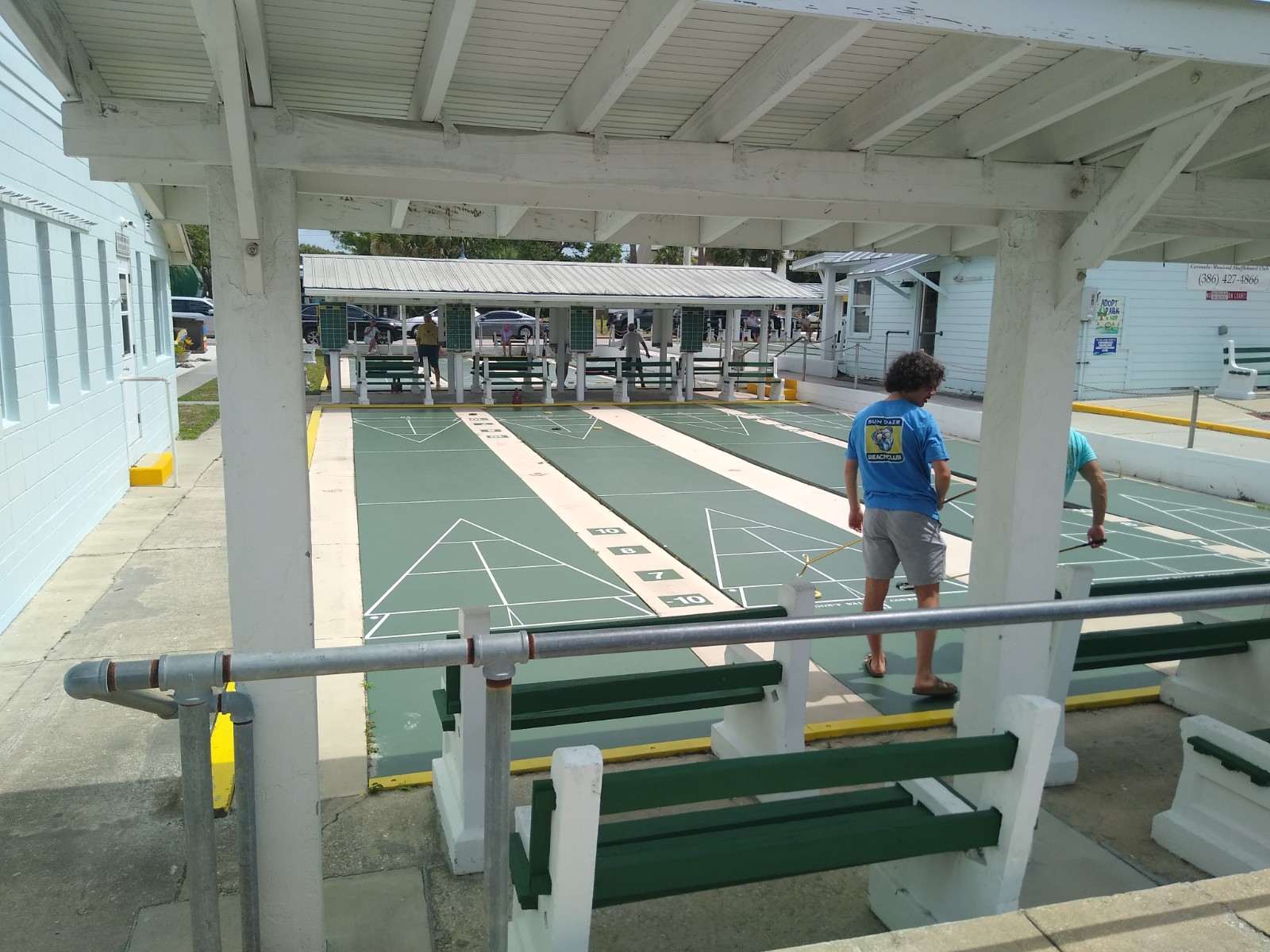 By Thursday we were winding down from our sprint along all of Florida's Atlantic coast. We joined Melissa and Bob for a leisurely drive to New Smyrna Beach for the afternoon, and then up to a Big Cat sanctuary north of Jacksonville to wrap up this adventure.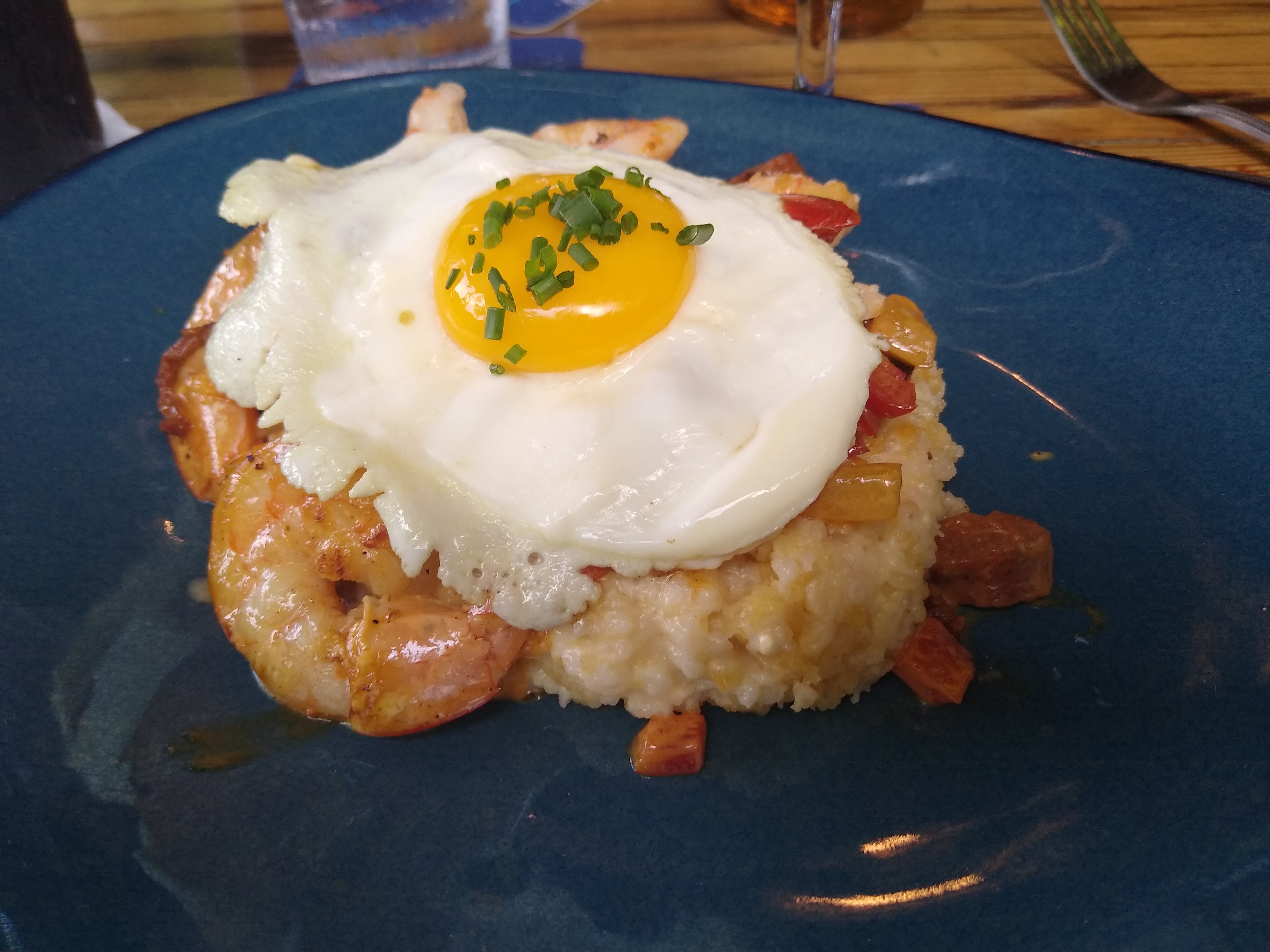
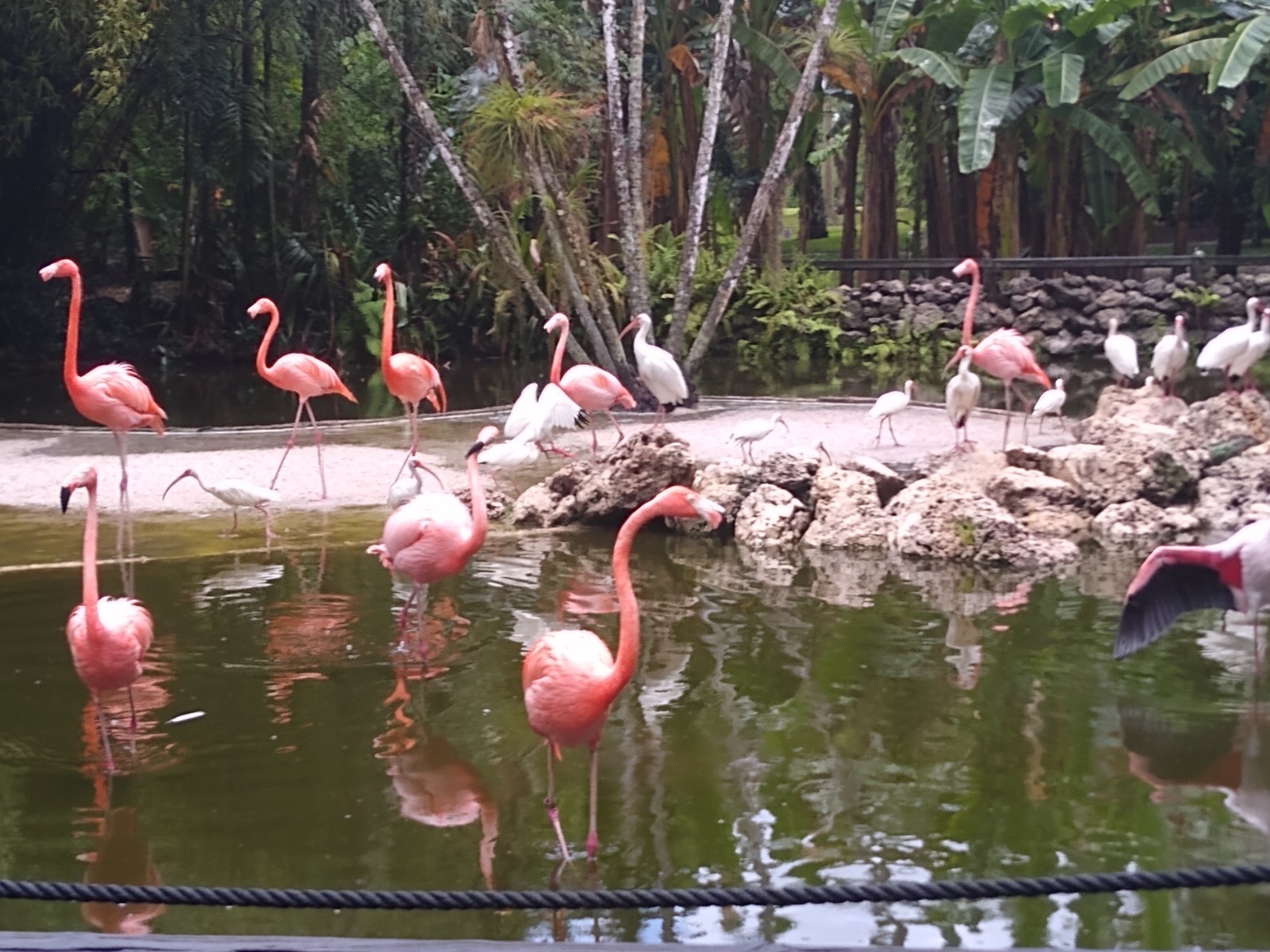 Key West is a long way from anywhere, and Marathon is just an hour closer. The drive back to the mainland, reversing the drive down, was uneventful, until we got to Key Largo. Then the rains came, in buckets. The road up to Homestead is straight and limited access, so everyone just pushed on at a slightly slower speed. The rain continued until we were just north of Miami.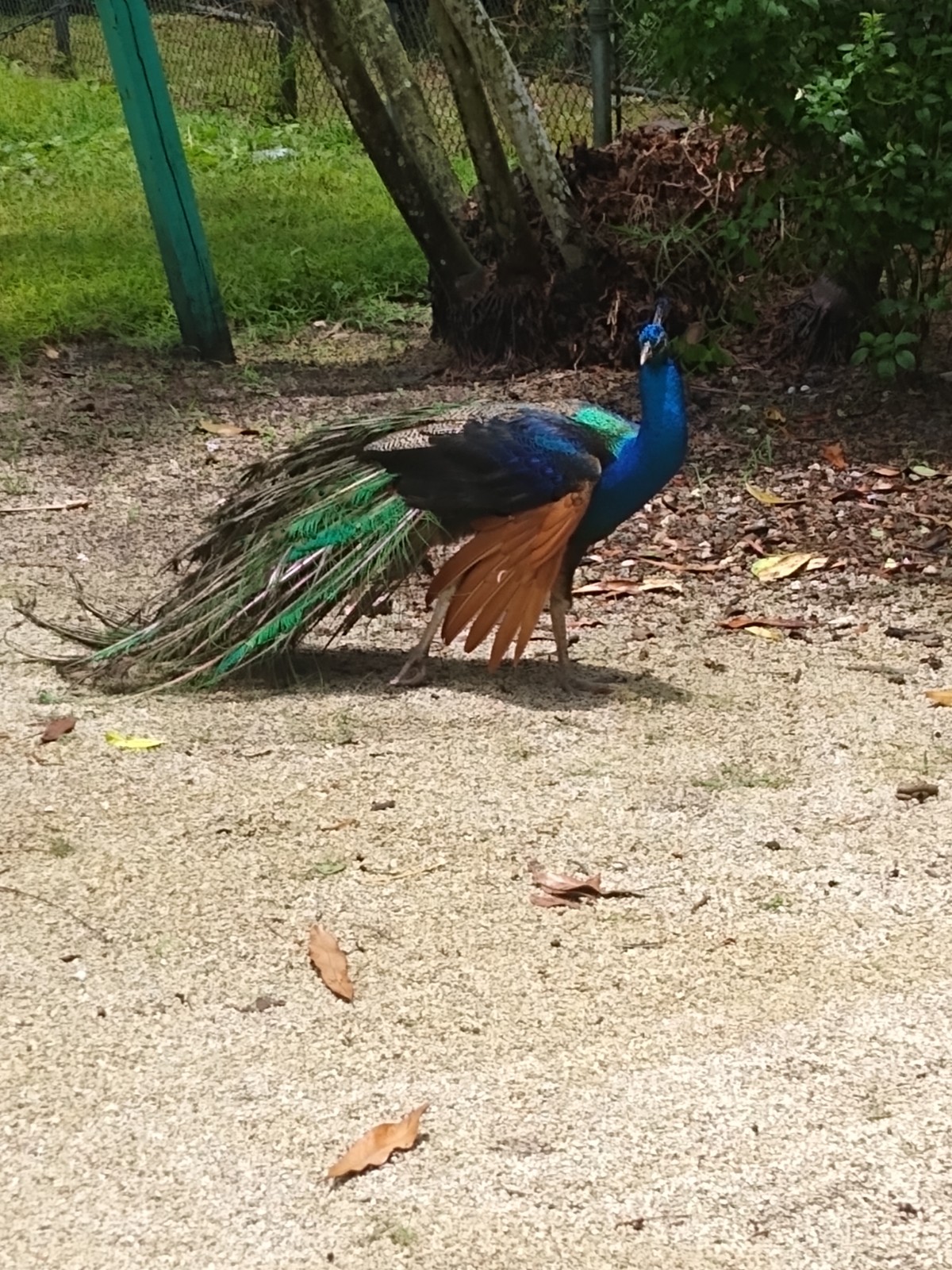
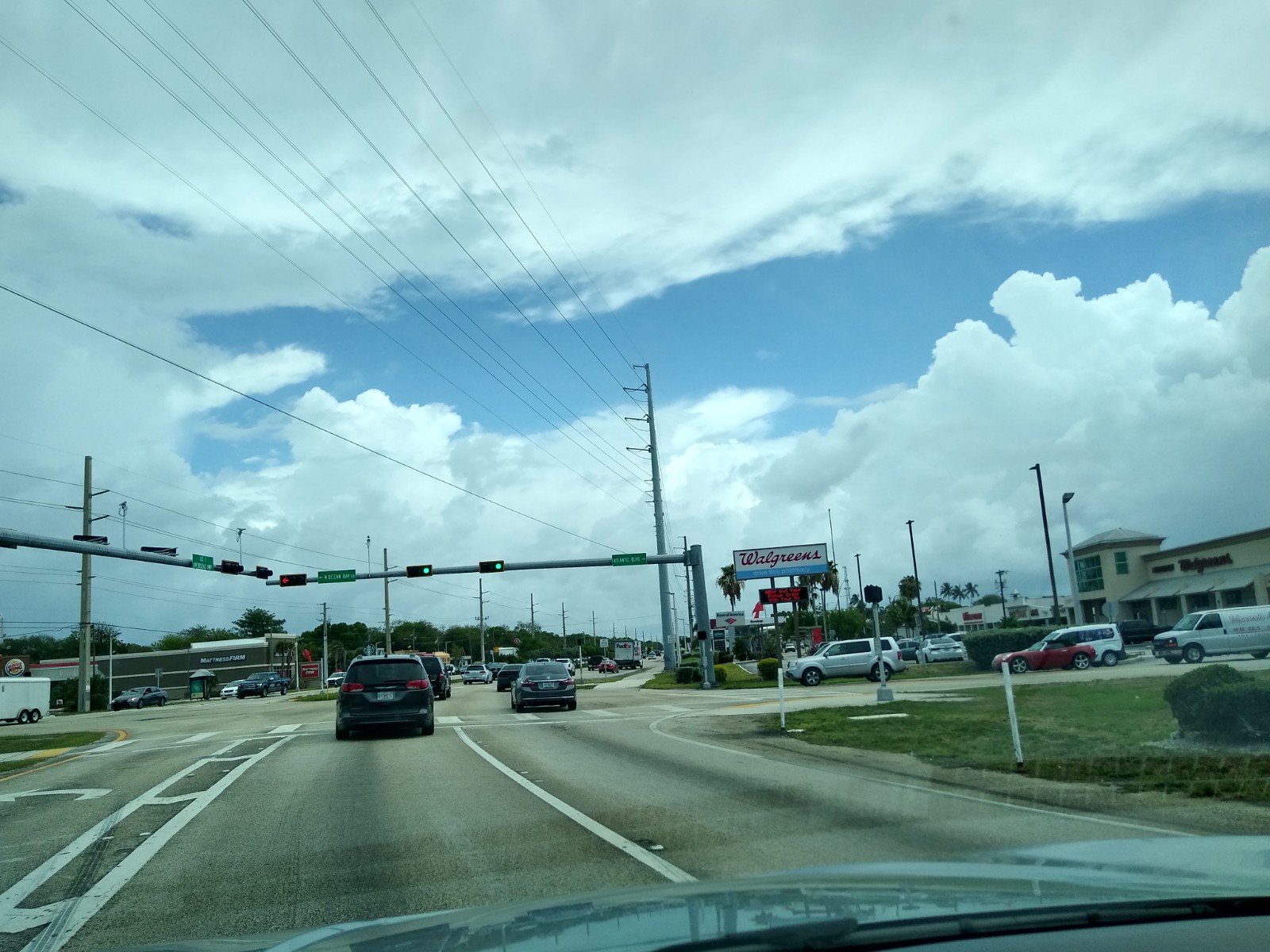 On the evening of Day 3, after our mango adventure, we drove down to Key Largo and along the Oversea Highway to Marathon, about halfway to Key West. The first part of the road was not a lot different from any built-up area around here. That was something of a disappointment.
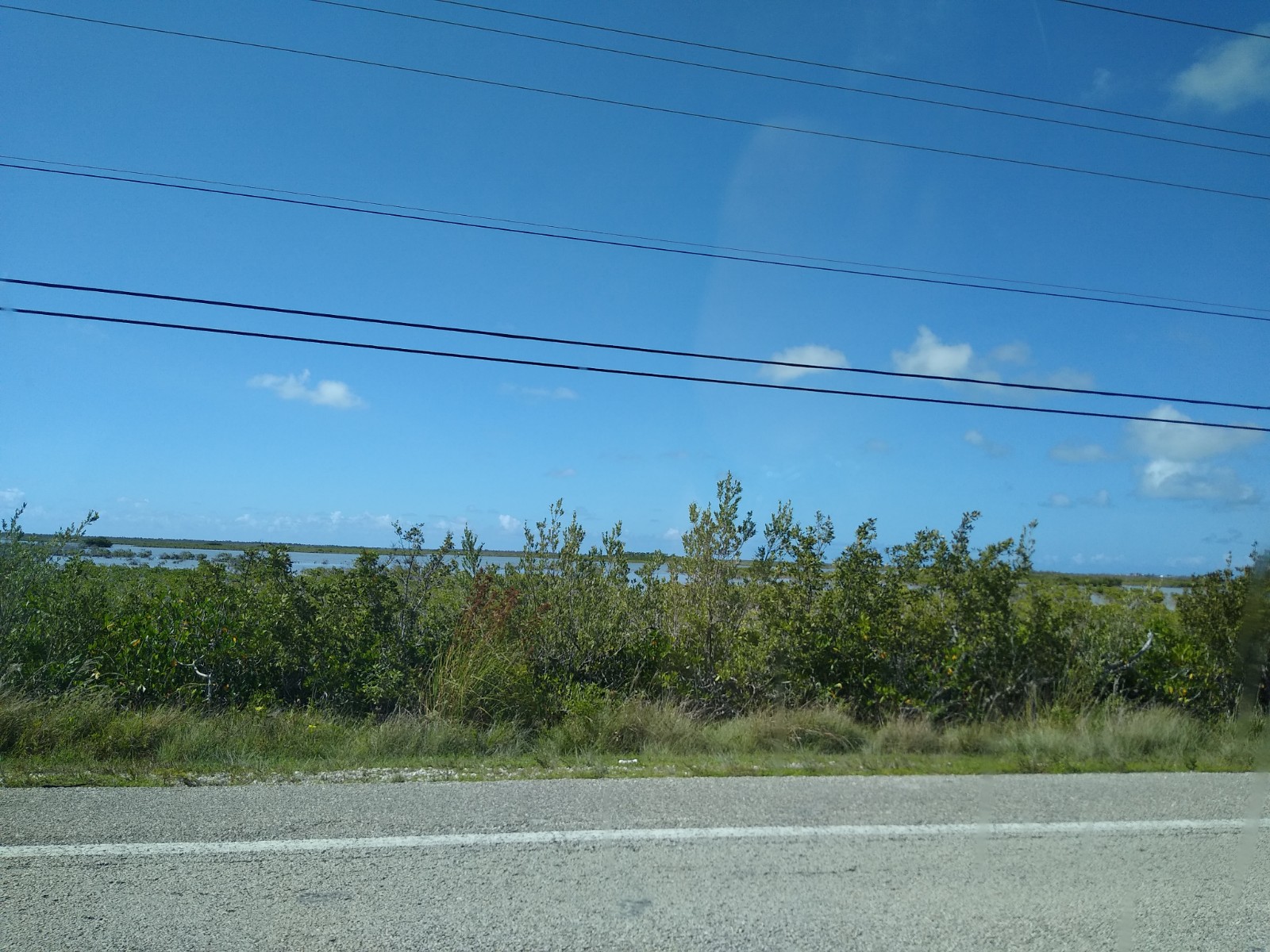 After Islamorada, things were much less built up and we saw more of that wide-open, sea-on-both-sides view that you see in the tourist brochures. There were still power lines and scrub on the many little islands that you pass along the way, and for much of the way we were accompanied by the remains of the Henry Flagler's 1912-era Bahia Honda railroad bridge, which connected the keys before cars were common.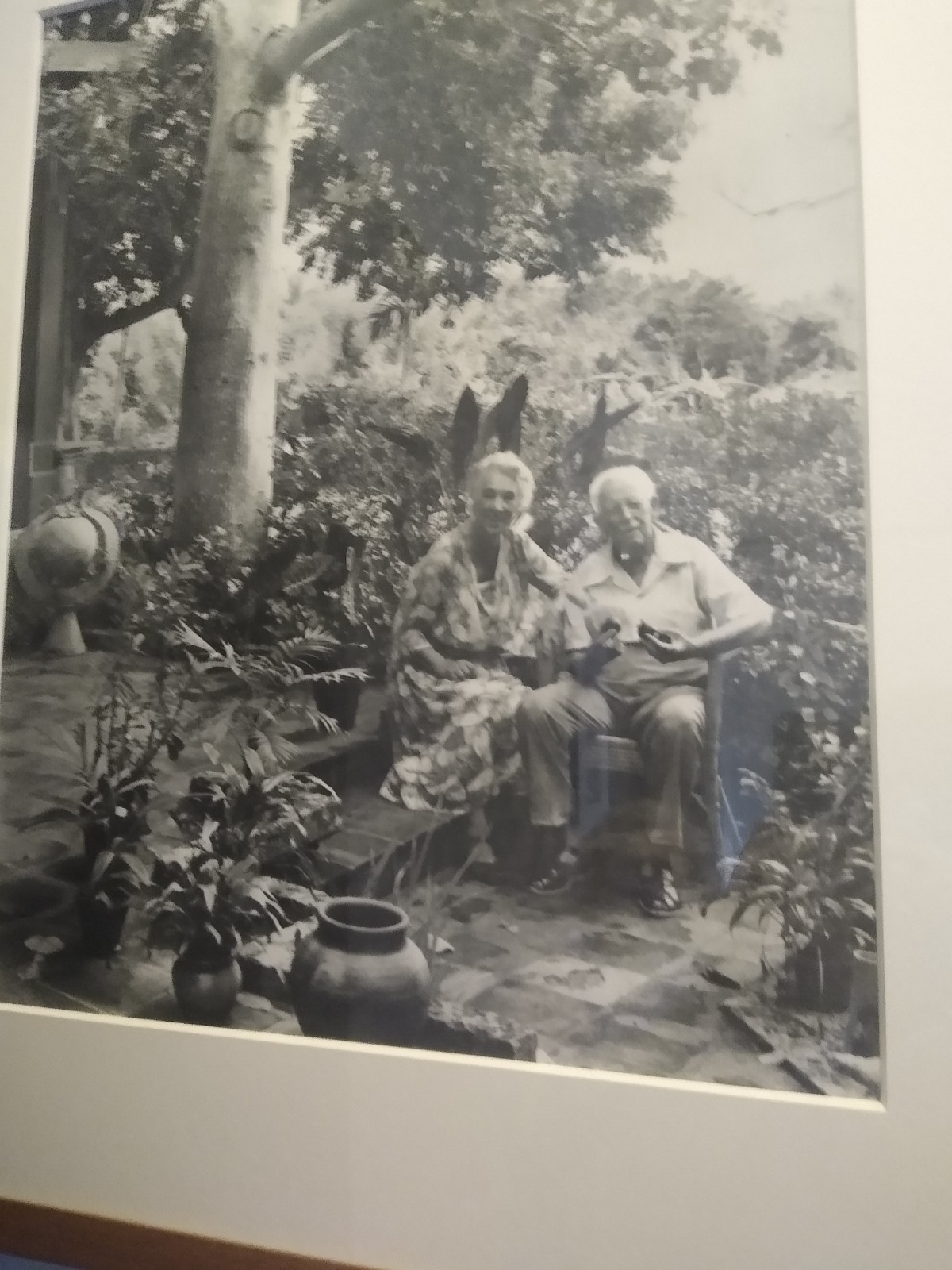
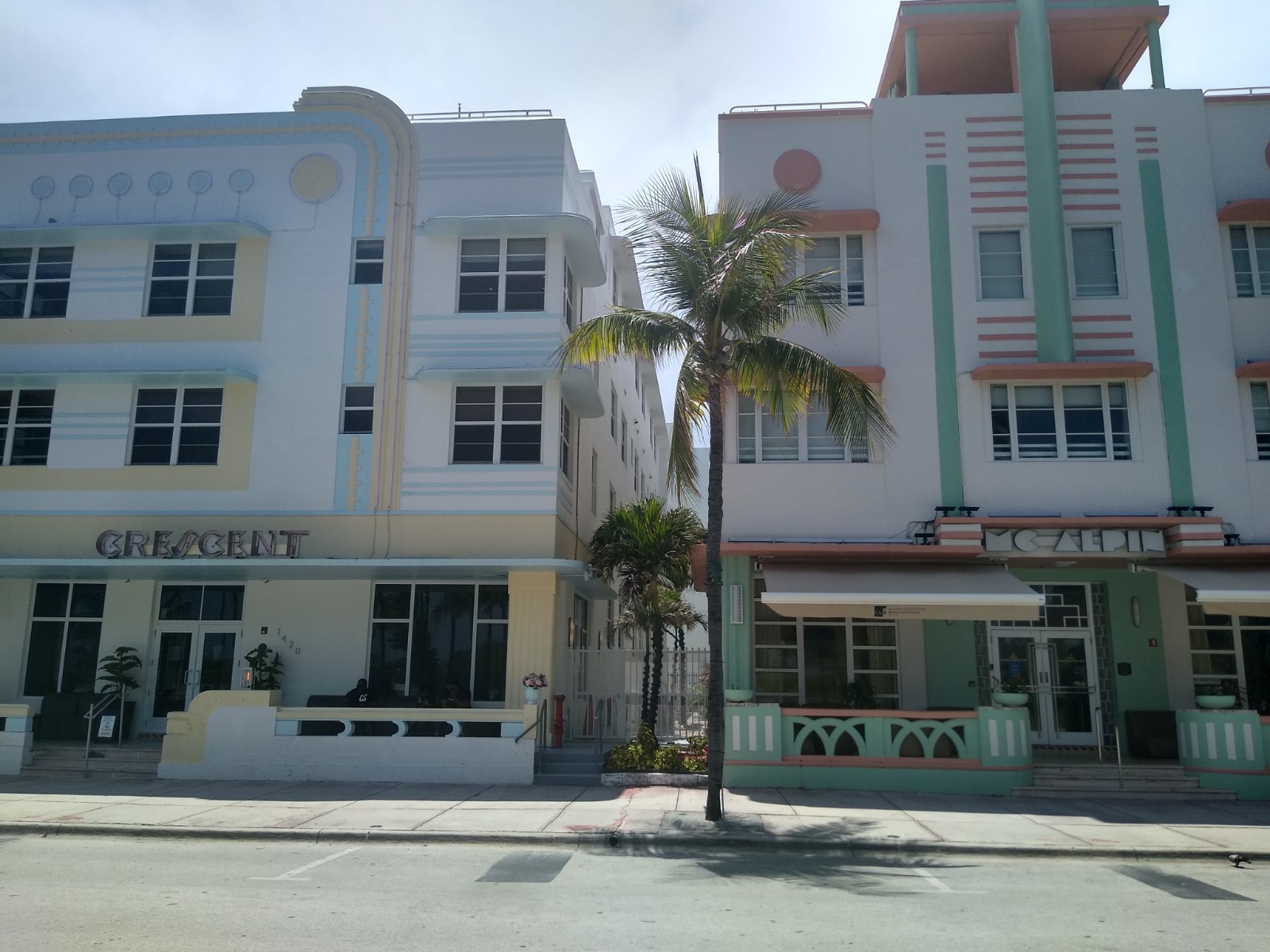 Miami Beach did not thrill us. Its heyday was back in the 1920s, '30's and '40s, even into the '50s. The long waterfront was developed in those days, and the structures, mostly hotels, are fine examples of Art Deco architecture. But toay Ocean Drive is just a fancy setting for partiers and beachgoers. The shopping was disappointing and good food is there to be found, but you have to look for it. Of course, I might have been more charitable if I'd had the sense to go in January...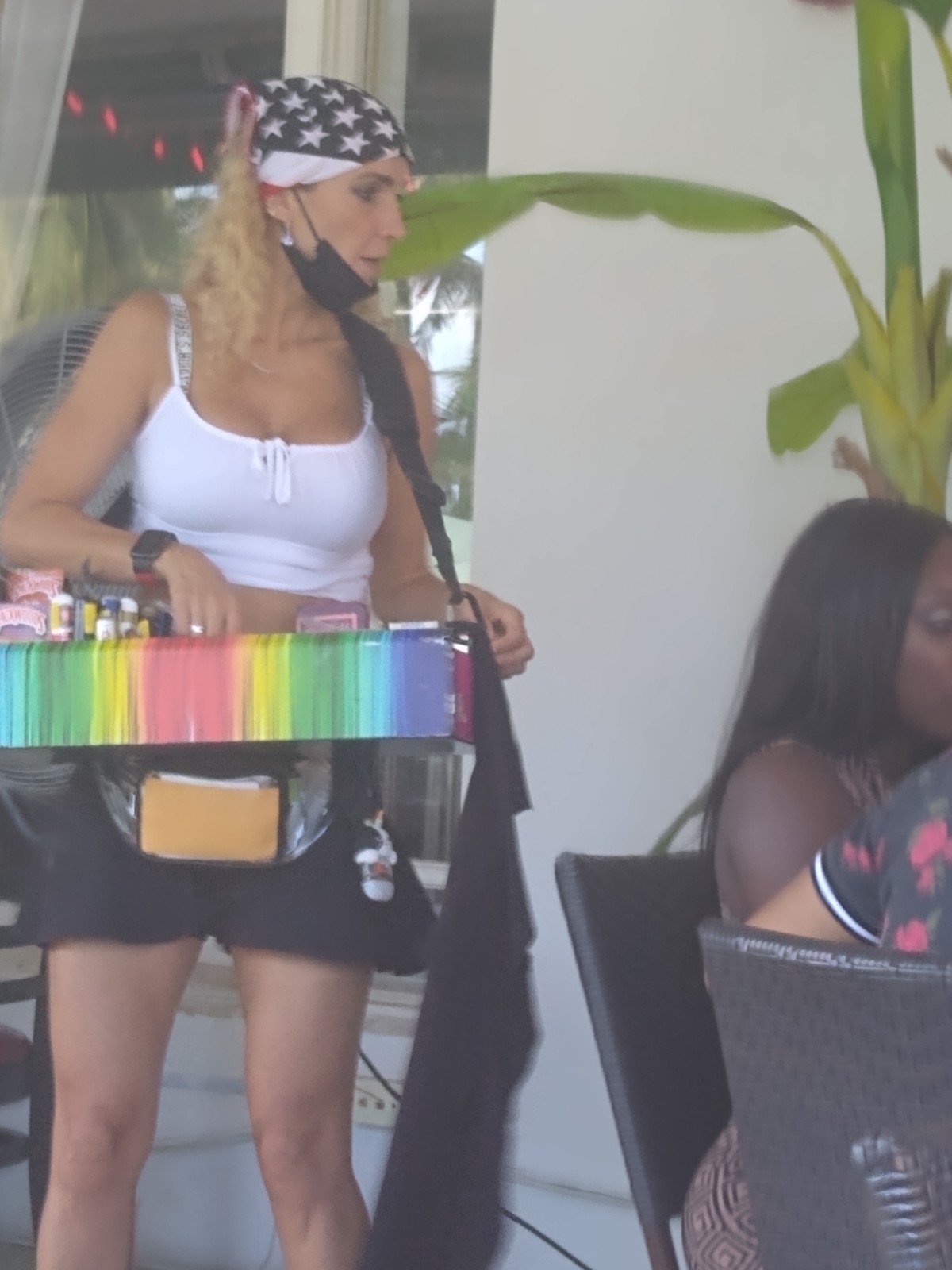
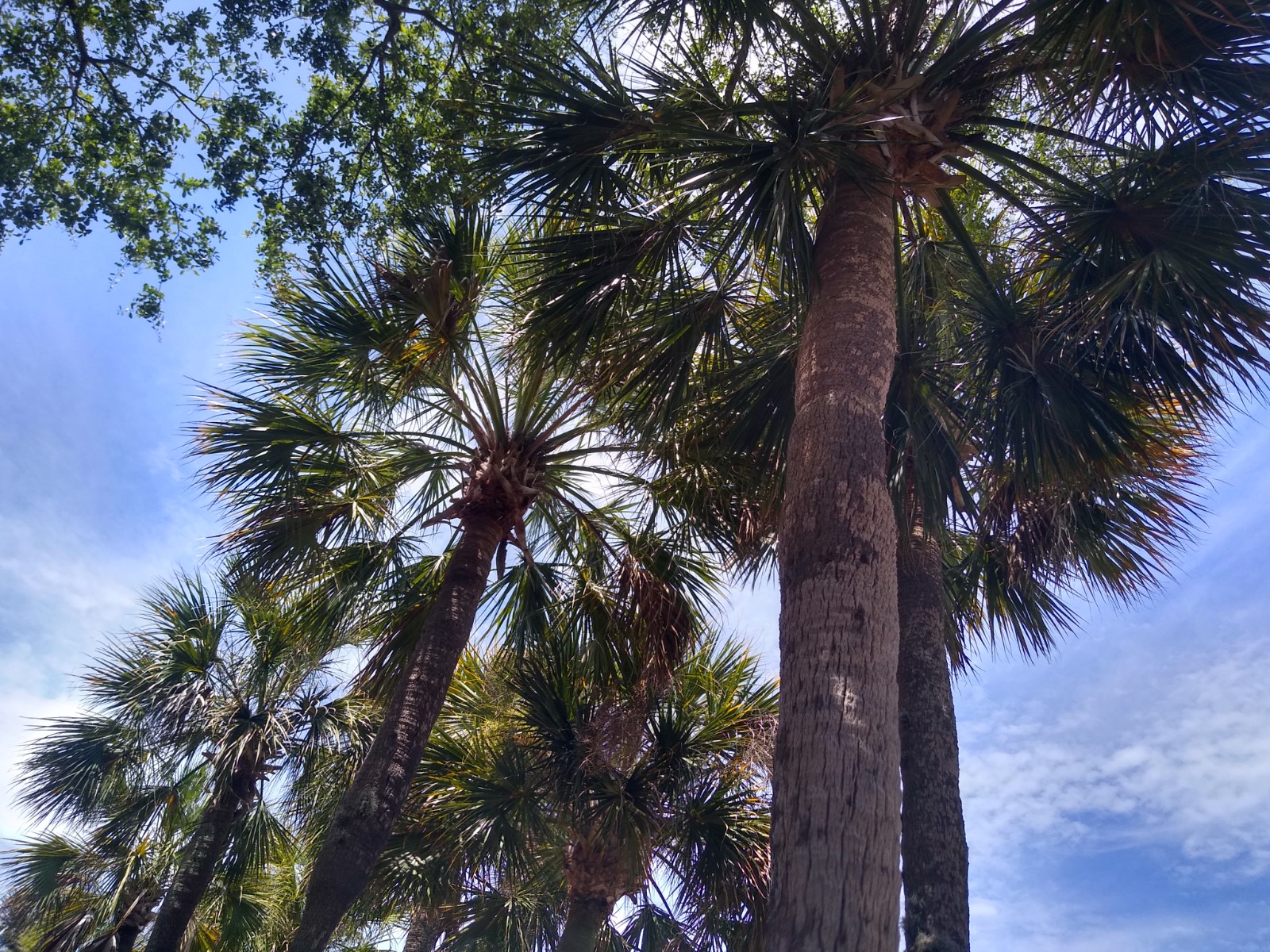 On the first full day of our expedition, we drove the short distance north to old St Augustine. This is where we really knew that we weren't in New England anymore.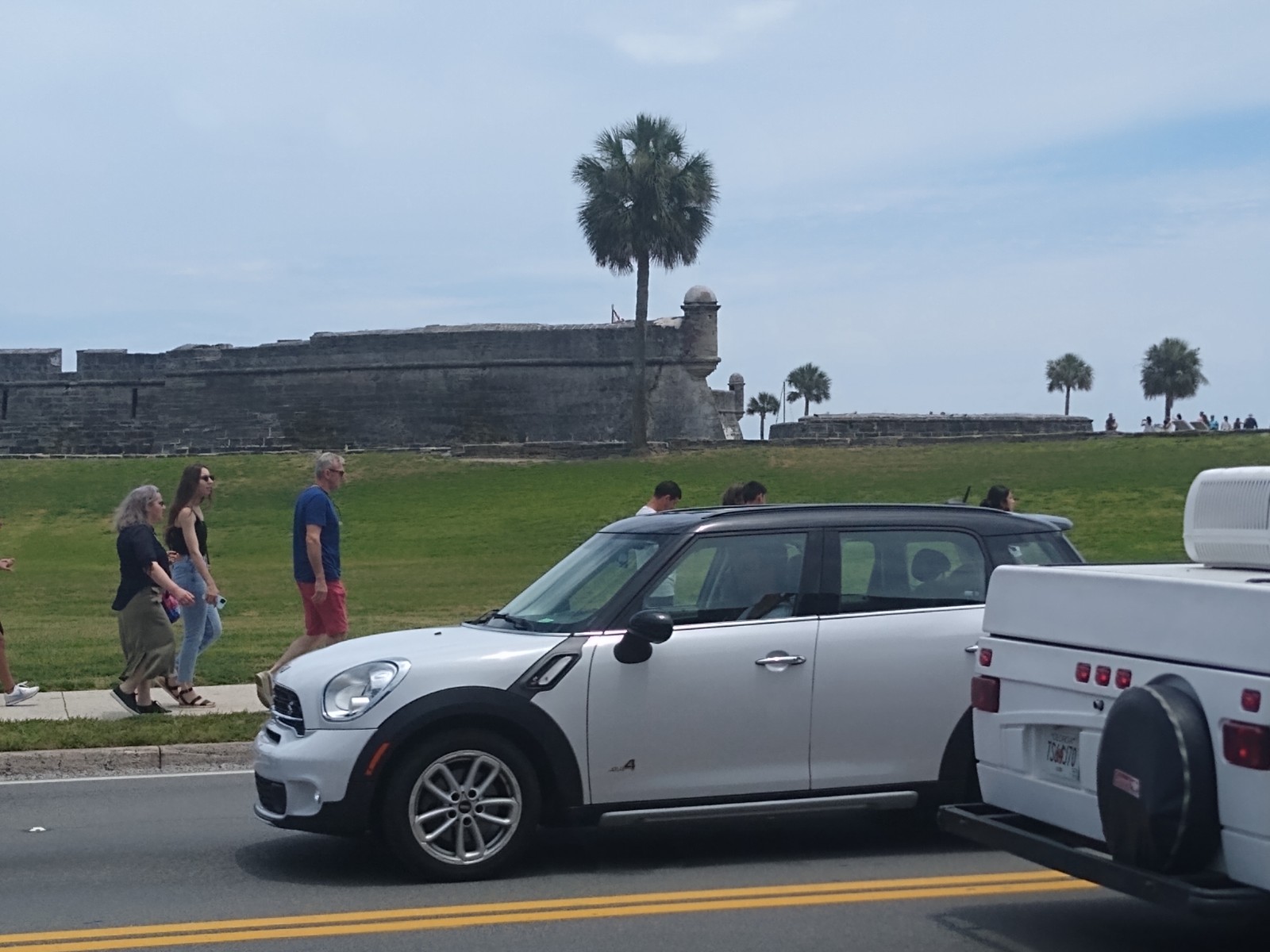
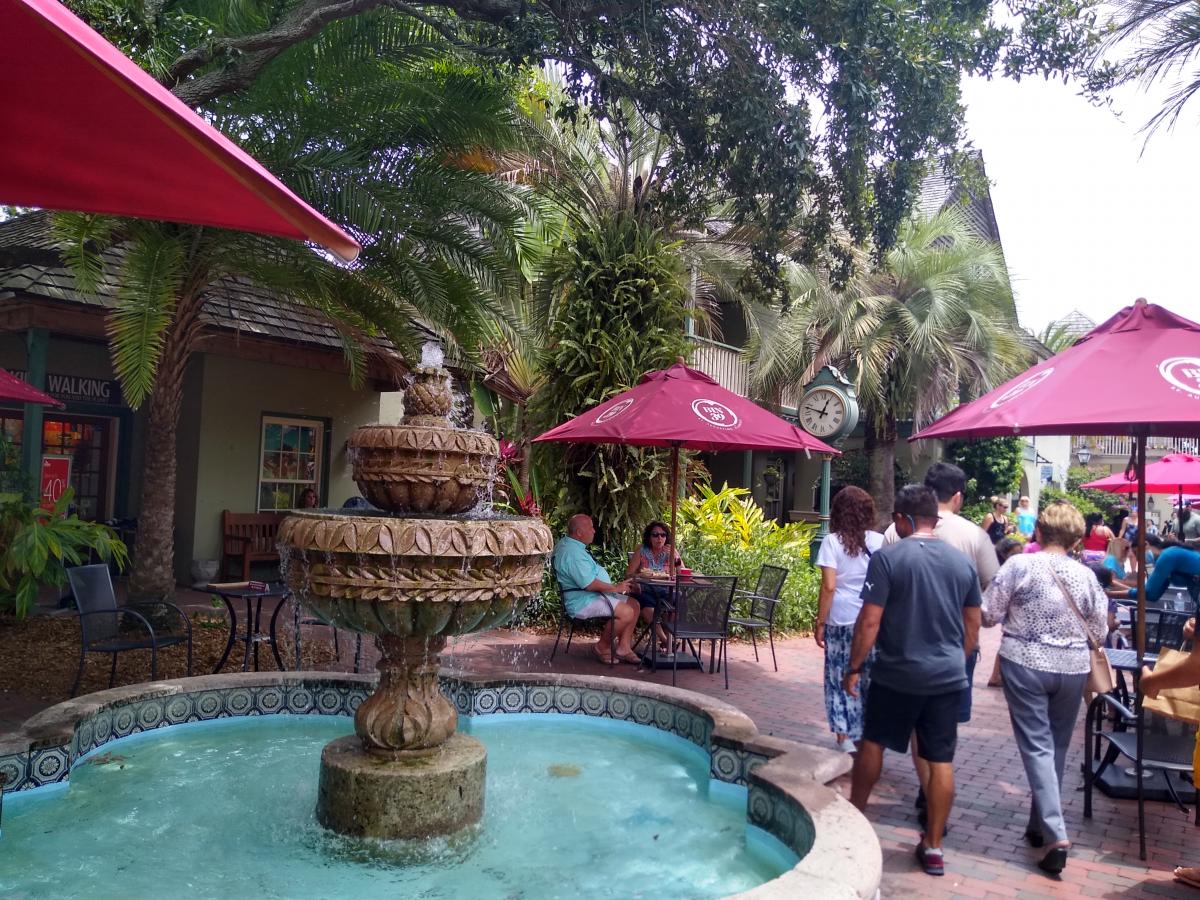
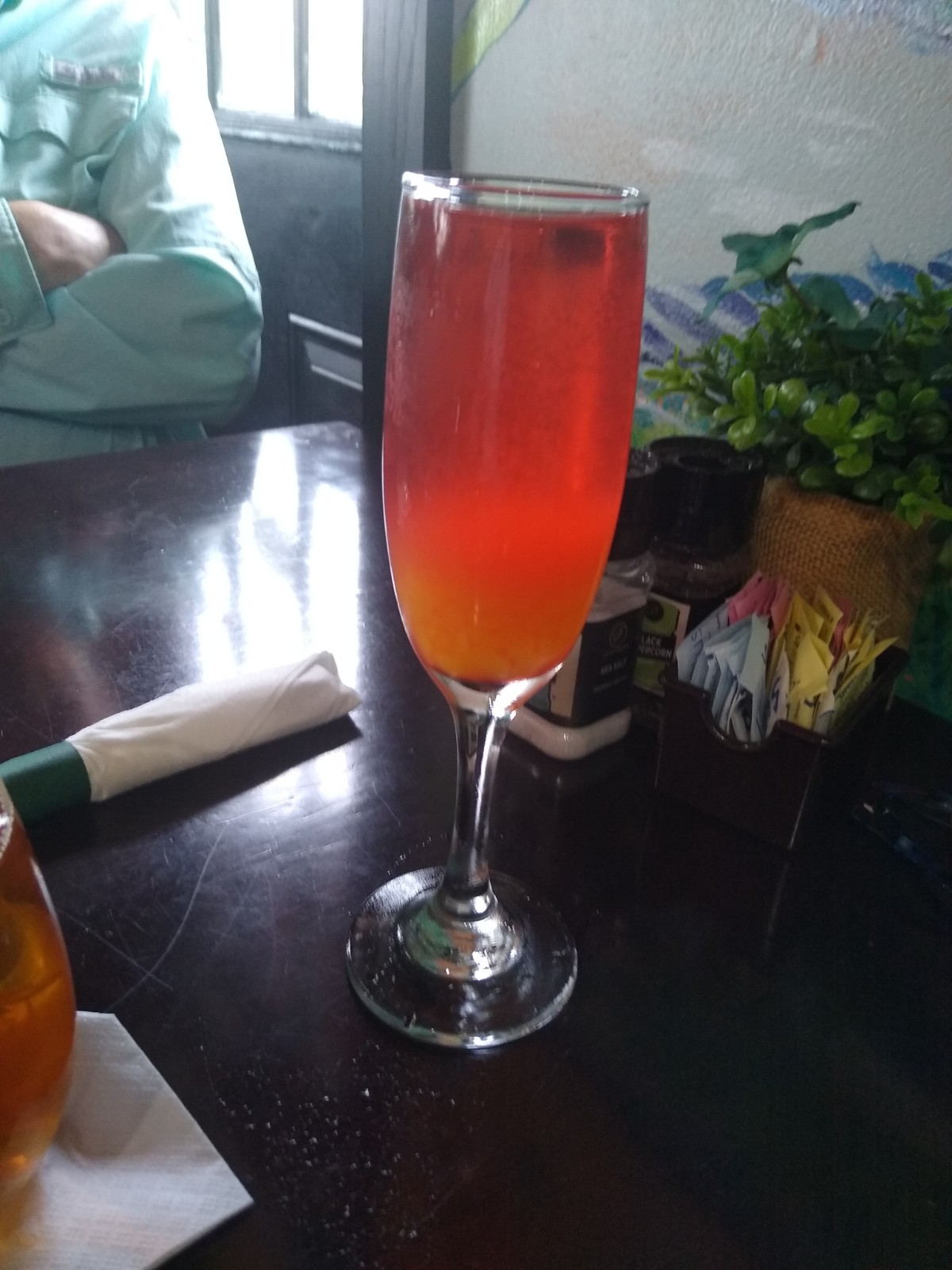 Lorna discovered this gem at the
 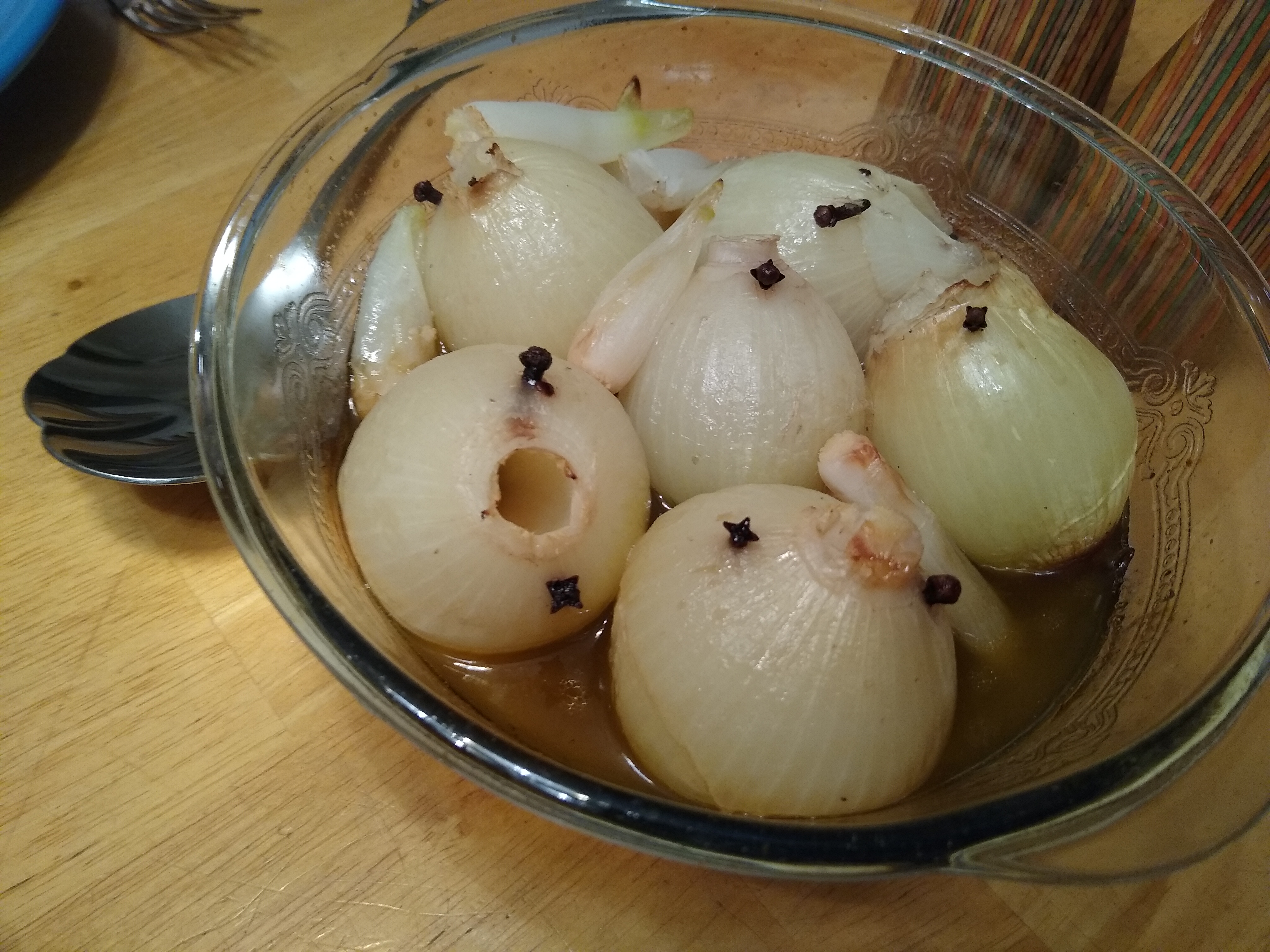 These clove-studded Cipolle di Napoli made a great side dish for the
 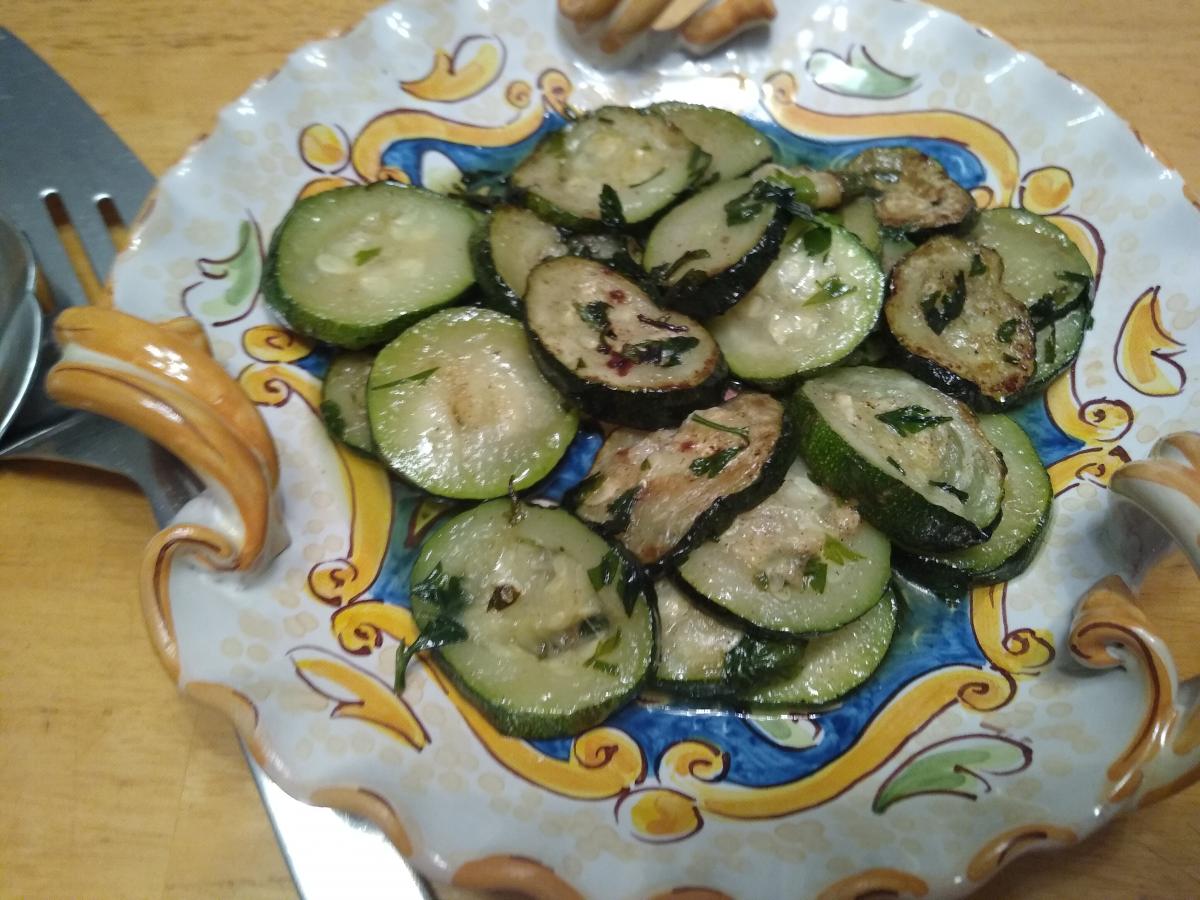 This is a tasty summertime dish for hot weather. The scapece part of the name derives from the Spanish escaveiche and ceviche (raw fish marinated in vinegar) but the Neapolitans use it to describe many things dressed with vinegar.
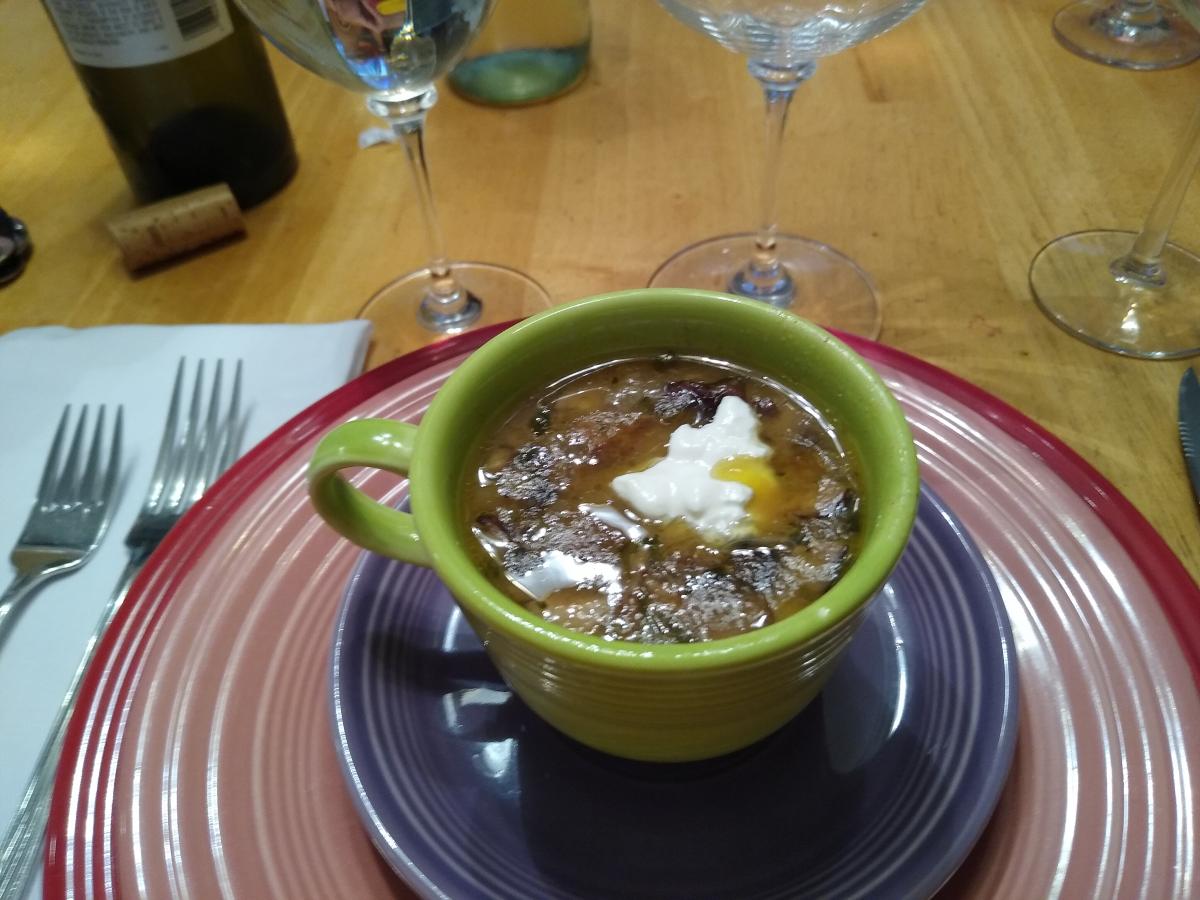 Here's a delicious mushroom soup with Italian sensibilities applied to an Austrian ancestor, from Trentino-Alto Adige in the Italian Alps on the Austrian border.